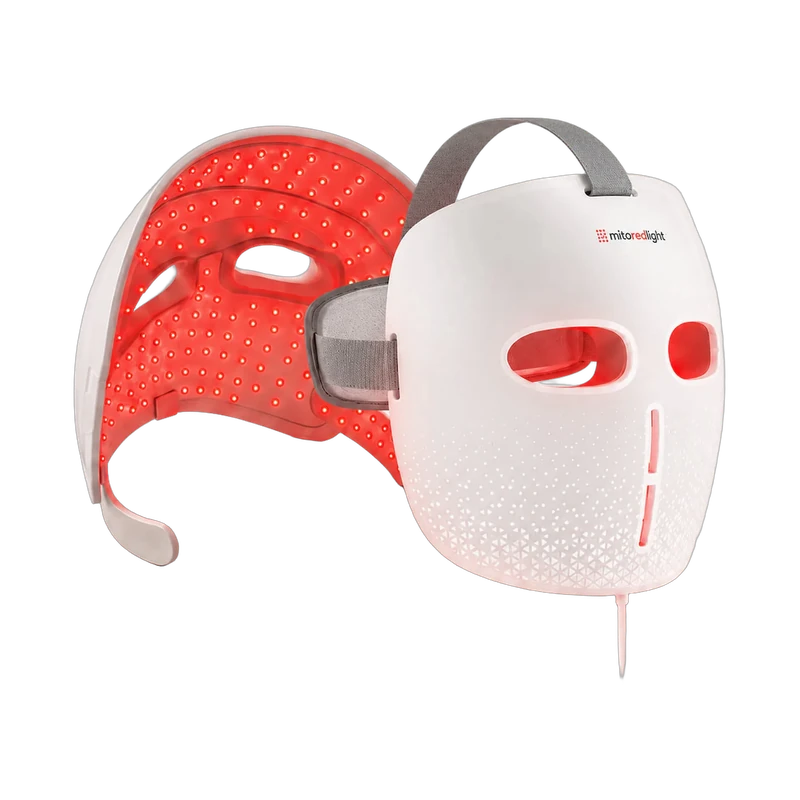
Best LED Face Masks of 2026

5 devices evaluated By Celliara Editorial Team, Beauty Technology Editors Updated March 2026 No paid rankings. Editorial policy →
✓ Independently reviewed FDA status verified

Omnilux

Omnilux Contour Face

$395

7.6 / 10
Celliara Score
★ Best Overall ✓ Editor's Pick
Our Top Pick

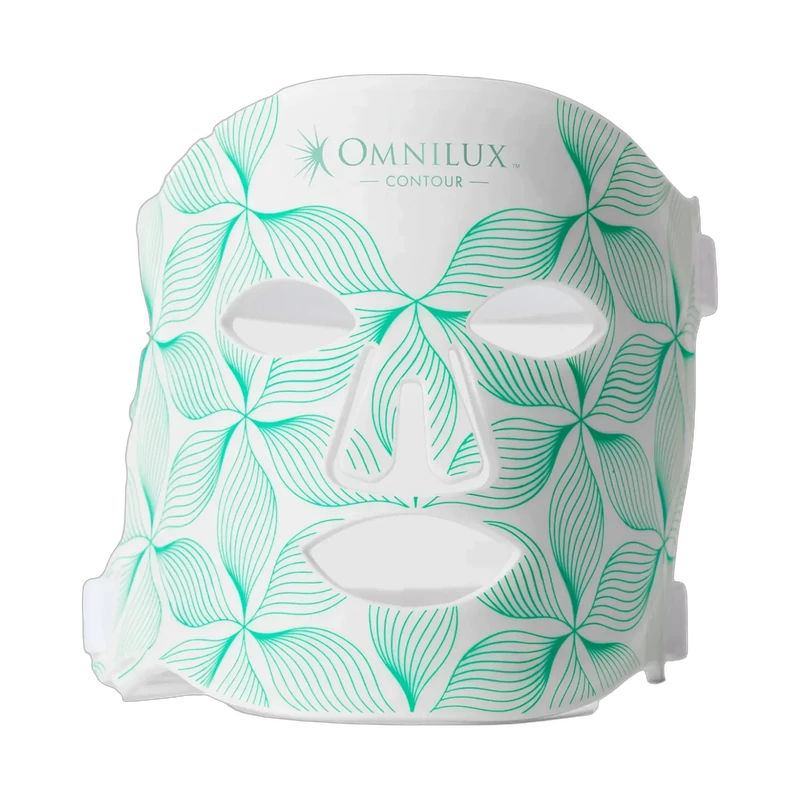
Omnilux Contour Face

Best LED mask backed by independent clinical studies

Why it wins

The only consumer LED mask featured in multiple independently published, peer-reviewed clinical studies — not just brand-funded research.

The Omnilux Contour Face has been used in several independently published clinical studies and is the LED mask with the strongest evidence base in the consumer market. It delivers medical-grade wavelengths (633nm red, 830nm near-infrared) at clinically relevant irradiance levels. FDA-cleared and flexible for full facial contact. The price is premium, but it is the only consumer LED mask we can point to with genuine peer-reviewed clinical data behind the specific device.

Best suited for You want the highest-confidence LED mask with independent peer-reviewed clinical data and will use it consistently.
Not for you if You need blue light for acne, or your budget does not stretch to $395.
Buy on Amazon → Read full review →

Free returns available if it’s not the right fit.


Best Overall

Omnilux Contour Face — The only consumer LED mask featured in multiple independently published,

Best Multi-Wavelength

Dr. Dennis Gross SpectraLite FaceWare Pro — The only mask in this list with all three clinically

Best Value

CurrentBody Skin LED Mask — Hits the same core clinical wavelengths as Omnilux (633nm +

Best for Recovery

Therabody TheraFace Mask — Uniquely combines red LED therapy with Therabody percussive vibration around


Other Top LED Face Masks Picks

#2 Best Multi-Wavelength
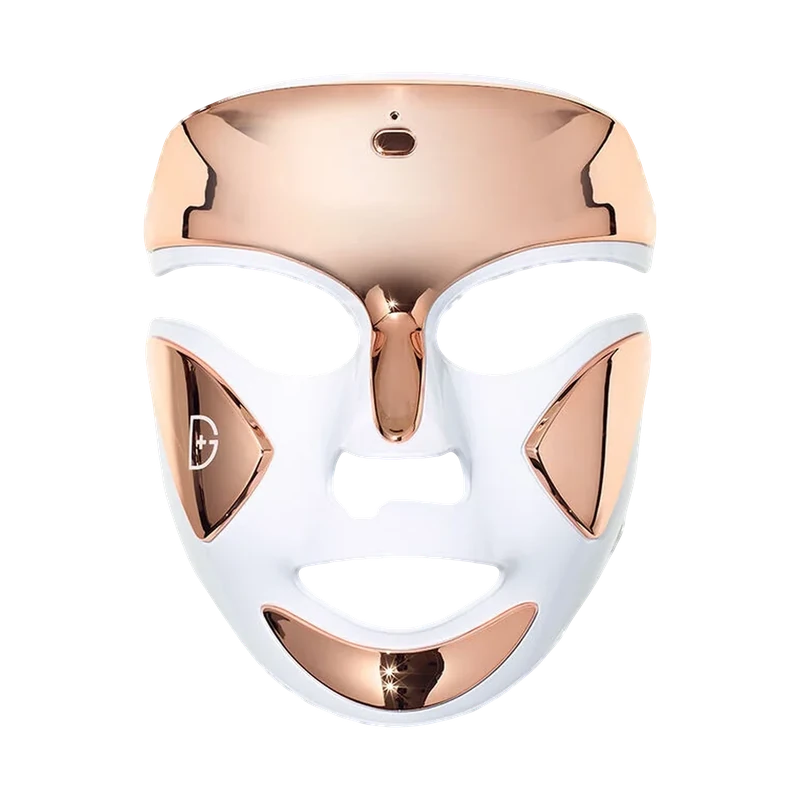
Dr. Dennis Gross SpectraLite FaceWare Pro

$455

7.4 / 10
Celliara Score

Dr. Dennis Gross

SpectraLite FaceWare Pro

Best for: Red + infrared + blue light in one mask

3 min · Full face · Red + NIR + Blue · Easy

Why it wins

The only mask in this list with all three clinically validated wavelengths — red, near-infrared, and blue — in a single FDA-cleared device.

The SpectraLite FaceWare Pro is the most versatile LED mask we evaluated, offering red (630nm), near-infrared (830nm), and blue (415nm) light modes — making it effective for both anti-aging and acne applications. FDA-cleared. The combination of modes and the Dr. Dennis Gross brand credibility (dermatologist-founded) make it the strongest multi-purpose option. Clinical evidence is less specific to this device than Omnilux, but the wavelengths are well-validated.

Best suited for You are managing both breakouts and anti-aging and want all three wavelengths in one FDA-cleared device.
Limitations to consider Acne is not a concern — you are paying extra for blue light you will not use.

Pros

  • Red + infrared + blue light modes
  • FDA-cleared
  • Dermatologist-founded brand
  • 3-minute treatment time (faster than competitors)
  • Acne + anti-aging in one device

Cons

  • Most expensive mask in this list
  • Rigid structure — less facial contact than flexible masks
  • Brand-funded studies only

Best Multi-Wavelength · Available on Amazon

#3 Best Value
CurrentBody Skin LED Mask

$359

6.9 / 10
Celliara Score

CurrentBody

Skin LED Mask

Best for: Strong clinical wavelengths at a lower price point

10 min · Full face · Red + NIR · Easy

Why it wins

Hits the same core clinical wavelengths as Omnilux (633nm + 830nm) at $36 less — FDA-cleared, flexible, and genuinely well-made for the price.

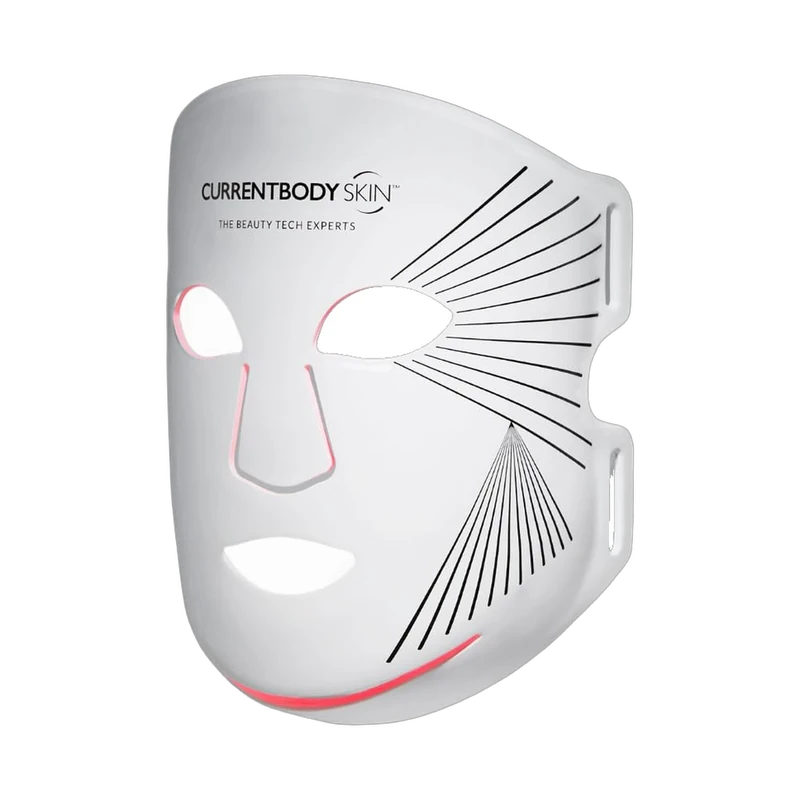
The CurrentBody Skin LED Mask delivers 633nm red and 830nm near-infrared at irradiance levels consistent with clinical research. It is FDA-cleared, flexible, and notably less expensive than Omnilux while hitting the same core wavelengths. The lack of independent clinical studies specific to this device keeps it behind Omnilux, but it is the most credible budget-friendly option in this category.

Best suited for You want clinical-grade wavelengths at a lower price and do not require device-specific trial data.
Limitations to consider You need blue light for acne, or you require independent clinical studies for the specific device.

Pros

  • FDA-cleared
  • Correct wavelengths (633nm + 830nm)
  • Flexible for full facial contact
  • Lower price than Omnilux
  • Large light panel coverage

Cons

  • No independent peer-reviewed studies on this specific device
  • No blue light
  • Shorter warranty than Omnilux

Best Value · Available on Amazon

Free returns available if it’s not the right fit.

#4 Best for Recovery
Therabody TheraFace Mask

$399

6.8 / 10
Celliara Score

Therabody

TheraFace Mask

Best for: LED plus percussive therapy in one device

10 min · Full face · Red LED · Easy

Why it wins

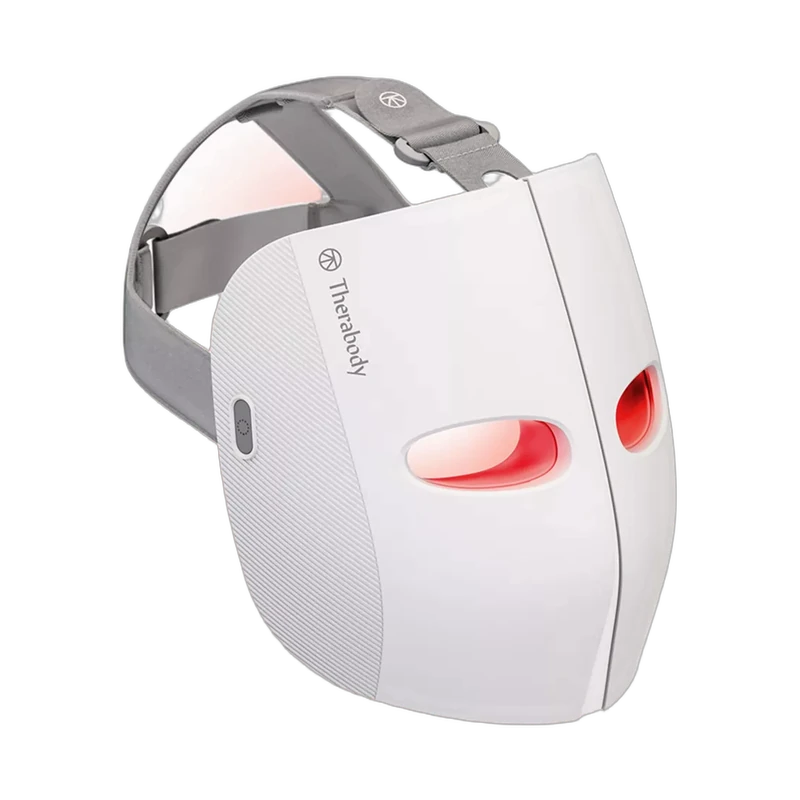
Uniquely combines red LED therapy with Therabody percussive vibration around the eye area — no other mask in this category does both.

The TheraFace Mask is unique in combining red LED therapy with Therabody's signature percussive vibration around the eye area. It is not FDA-cleared for LED specifically, and the clinical evidence is brand-supported rather than independent. Best suited to users who already have Therabody ecosystem devices and want to add LED. As a standalone LED mask, the Omnilux or CurrentBody offer more validated light therapy.

Best suited for You already use Therabody devices and want to add LED alongside percussive eye therapy.
Limitations to consider You are buying specifically for LED efficacy — cleaner options exist at lower prices.

Pros

  • LED + percussive combo
  • Premium build quality
  • Therabody ecosystem integration
  • Eye area percussive treatment

Cons

  • Not FDA-cleared for LED
  • Brand-funded evidence only
  • Higher price than CurrentBody
  • Percussive feature adds weight

Best for Recovery · Available on Amazon

Free returns available if it’s not the right fit.

#5 Best Budget Entry
reVive Light DPL Nüve

$159

5.3 / 10
Celliara Score

reVive

Light DPL Nüve

Best for: FDA-cleared LED at an accessible price

17 min · Full face · Red + NIR · Easy

Why it wins

The most affordable FDA-cleared LED mask on Amazon — a legitimate entry point for users who want to trial light therapy before committing to a premium device.

The reVive DPL Nüve is FDA-cleared and delivers red and infrared light at a price well below the premium options. The irradiance output is lower than Omnilux or CurrentBody, which means longer sessions for comparable results. The build quality is functional rather than premium. For users who want to try LED therapy without a major financial commitment, it is a credible entry point.

Best suited for You want to trial LED therapy without a major financial commitment before investing in a premium device.
Limitations to consider You want equivalent results to Omnilux or CurrentBody — lower irradiance means longer sessions.

Pros

  • FDA-cleared
  • Most affordable option
  • Red + infrared wavelengths
  • No ongoing cost

Cons

  • Lower irradiance than premium devices
  • Longer sessions needed
  • Budget build quality
  • Less brand credibility

Best Budget Entry · Available on Amazon

Free returns available if it’s not the right fit.

Most readers choose Omnilux Contour Face for overall results and ease of use.


Compare All Best LED Face Masks of 2026

Feature Best Overall CurrentBody Skin LED Mask S1 Omnilux Contour Face Dr. Dennis Gross SpectraLite FaceWare Pro HigherDOSE Red Light Face Mask Therabody TheraFace Mask
Score 6.9 / 10 7.6 / 10 7.4 / 10 7.1 / 10 7.3 / 10
Price ~$255 ~$395 ~$455 ~$279 ~$650
Best For Best overall Clinical evidence Speed (3 min) Lightweight Multitasking
FDA FDA Cleared FDA Cleared FDA Cleared FDA Cleared FDA Cleared
Warranty 1 year 1 year 1 year 1 year 1 year
Buy on Amazon Buy on Amazon Buy on Amazon Buy on Amazon Buy on Amazon

Choose Based on Your Goal

Still deciding? Find yourself below.


Which One Is Worth the Price?

LED face masks span a wide price range — from $159 (reVive DPL Nüve) to $455 (Dr. Dennis Gross SpectraLite Pro). The difference is not cosmetic. It comes down to three things: irradiance, wavelength precision, and clinical validation.

When Omnilux ($395) is worth it

Omnilux is the only device in this list featured in independently published clinical studies. If you want the highest-confidence evidence that the specific device has been validated, not just the wavelengths it uses, the $36 premium over CurrentBody is justified. It also carries a 2-year warranty vs 1 year for most competitors.

When CurrentBody ($359) is the smart move

CurrentBody hits the same clinically validated wavelengths — 633nm red and 830nm near-infrared — at the same irradiance range as Omnilux, at a lower price. If you are comfortable with the wavelength evidence (and you should be — those wavelengths are extremely well-documented) and do not require device-specific trial data, CurrentBody is the better value buy.

When to pay more for Dr. Dennis Gross ($455)

Only if acne is part of your concern. It is the sole mask here offering all three wavelengths — red, near-infrared, and blue. That 3-in-1 capability plus the 3-minute session time justify the premium for users managing both anti-aging and breakouts. For pure anti-aging, you are overpaying for features you will not use.

When to start at $159

The reVive Nüve is a credible starting point only if you are genuinely unsure whether you will maintain a mask routine. Once you are consistent, upgrade to CurrentBody or Omnilux — the irradiance difference matters at scale.


Which Device Is Right for You?

Beginners

You've never used LED therapy before and want to test consistency before committing to a premium device.

Evidence-First

You want the device with the strongest independent clinical backing and will use it 3-5 times per week.

Value-Focused

You understand the wavelength science and want the best clinical-grade spec at the lowest defensible price.

Acne + Aging

You are managing both breakouts and early signs of aging and need all three wavelengths in one device.


Understanding the Technology

LED light therapy works by delivering specific wavelengths of light to the skin at depths that stimulate cellular activity without generating significant heat. Different wavelengths target different biological processes.

Red light (630–700nm) has the most extensive clinical evidence for skin applications. A 2014 study in Photomedicine and Laser Surgery found red light therapy significantly improved skin complexion and skin feeling, and reduced roughness. Multiple studies support red light for collagen stimulation through fibroblast activation.

Near-infrared light (800–900nm) penetrates more deeply than visible red light and has been studied for tissue repair, inflammation reduction, and circulation improvement. A 2019 review found near-infrared effective for wound healing and tissue regeneration.

Blue light (415–450nm) is FDA-cleared for acne vulgaris treatment — it targets the P. acnes bacteria responsible for inflammatory acne. It is less relevant for anti-aging applications.

Important: LED therapy is not suitable for people on photosensitising medications (including some antibiotics and retinoids), those with active skin conditions like rosacea flare-ups, or those with a history of skin cancer. Always consult a dermatologist if uncertain.


What to Look For

Wavelength Accuracy

The most clinically validated wavelengths for skin are 630–633nm (red) and 830nm (near-infrared). Devices that specify exact nanometer values are more credible than those using vague terms like 'red light' or 'infrared.' Ask for the nm specification before buying — reputable brands publish this.

Irradiance (mW/cm²)

Irradiance is the power of light delivered per unit area. Clinical studies typically use 20–100 mW/cm² for skin applications. Consumer devices rarely publish this figure. Omnilux and CurrentBody are exceptions — their irradiance is documented and consistent with clinical research thresholds.

FDA Clearance

FDA clearance indicates the device has passed a safety review for its intended use. For LED masks, look for clearance specifically for cosmetic or acne treatment. Note that 'FDA registered' is different from 'FDA cleared' — registration is a basic listing, not an efficacy review.

Flexible vs Rigid

Flexible LED masks conform to facial contours, ensuring light is delivered at consistent proximity across all areas. Rigid masks may leave gaps at the nose, cheeks, or jawline — reducing effective coverage. For comprehensive anti-aging treatment, flexible designs are generally more effective.

Session Time

Most LED masks recommend 10-minute sessions 3–5 times per week. Dr. Dennis Gross SpectraLite is an exception at 3 minutes. Shorter effective sessions improve compliance — the best device is the one you use consistently.

Blue Light for Acne

If acne is your primary concern, look for a device that includes blue light (415nm), which is FDA-cleared for mild-to-moderate acne vulgaris. Red and infrared light alone do not target the P. acnes bacteria that drives inflammatory acne. The SpectraLite FaceWare Pro is the only mask in our list that includes all three wavelengths.


Our Recommendation

If you’re unsure, start with the Omnilux Contour Face — it offers the best balance of performance, usability, and long-term value.


Frequently Asked Questions

The clinical evidence is strongest for red and near-infrared light. Multiple peer-reviewed studies support red light (630–633nm) for collagen stimulation and skin texture improvement. Blue light (415nm) is FDA-cleared for acne treatment. Results are generally modest and require consistent use over 8–12 weeks minimum. LED therapy is not a replacement for medical dermatology treatment for significant skin concerns.

Most clinical protocols recommend 3–5 sessions per week during an initial treatment period, then 2–3 maintenance sessions per week. Sessions are typically 10 minutes. Consistency over 8–12 weeks is required to see meaningful results. Daily use is generally safe for most people.

LED therapy is generally considered safe across all Fitzpatrick skin types, unlike laser or IPL which carry higher risk for darker skin tones. However, clinical studies have historically underrepresented darker skin tones, so evidence for efficacy across all skin types is less comprehensive than for lighter tones. Always consult a dermatologist if uncertain.

Avoid using LED masks immediately after applying photosensitising ingredients like retinol, AHAs, or BHAs — wait at least 30 minutes, or use LED before applying these actives. Vitamin C is generally compatible with LED therapy. Always check with your dermatologist if you are on prescription retinoids or other photosensitising medications.

Red light (630–700nm) is visible and penetrates the superficial layers of the skin, primarily targeting the epidermis and upper dermis. It is most associated with collagen stimulation and surface-level skin improvement. Near-infrared light (800–900nm) is invisible and penetrates more deeply into the dermis and subcutaneous tissue, with stronger evidence for tissue repair and inflammation reduction. The best LED masks combine both wavelengths.


Reviewed by

Celliara Editorial Team

Evaluated against published clinical literature and Amazon market data

All device evaluations are based on clinical evidence and published research. Affiliate links are clearly disclosed. We do not accept payment for editorial coverage. Read our editorial policy →