A Celliara guide to microcurrent devices
Microcurrent Before and After: What Results Are Realistic?
What Is Microcurrent?
Microcurrent devices deliver electrical current in the 10–600 microampere range — sub-sensory, meaning you don’t typically feel it. The technology has clinical roots in wound healing and physical therapy, and has migrated into aesthetic medicine as a non-invasive approach to facial tone and skin quality. For a foundational explanation of the technology, see our guide to what microcurrent is and how it’s used.
Before/after photography is one of the primary ways microcurrent devices are marketed. It’s also a format that is easy to misread. This guide addresses both what the evidence actually shows about microcurrent outcomes and how to read the before/after images you encounter with appropriate skepticism.
How It Works
Two overlapping mechanisms are proposed for microcurrent’s aesthetic effects.
ATP production: Laboratory research, often traced to Cheng et al. (1982), reported that specific microcurrent parameters could increase ATP synthesis. It’s worth noting the caveat: that was laboratory research under controlled conditions, not measurement in living human facial tissue during consumer device use. The ATP mechanism is biologically plausible and reasonably well-supported at the cellular level; the translation to clinical facial outcomes involves additional steps and uncertainties.
Neuromuscular re-education: The second proposed mechanism is that repeated sub-threshold electrical stimulation influences the functional tone of facial muscles over time through repeated stimulation at the neuromuscular junction. This is distinct from EMS (which causes visible muscle contractions). The underlying neuromuscular principles are sound; the specific evidence for facial applications is more limited.
The important distinction is between cellular mechanism and sensory experience. Microcurrent is designed to work below conscious perception, at the level of cellular signaling rather than overt muscle activation. Its effects, when they occur, accumulate gradually through repeated use — not through any single treatment.
What the Evidence Shows
The Clinical Picture
Published studies of microcurrent for facial applications are few and small. The outcomes in Celliara’s evidence record are modest, photograph- or instrument-graded improvements in contour and tone, not dramatic transformations, and that record does not establish measured, statistically significant changes in specific features such as the jawline, cheekbones or brow. A small measured change can be a legitimate finding; it is not a dramatic transformation.
The word “statistically significant” is often misread as meaning “large” or “dramatic.” It doesn’t. Statistical significance means the measured difference is unlikely to be due to chance. It says nothing about whether the effect is large enough to matter visually in daily life.
Why Marketing Before/After Photos Can Mislead
This deserves direct treatment, because it’s one of the most consequential gaps between how microcurrent is marketed and what it actually does.
Lighting changes everything. The single most impactful variable in before/after photography is lighting. Overhead lighting creates shadows that emphasize contours and lines. Diffused frontal lighting flattens features. A person photographed in harsh overhead light in the “before” image and soft studio light in the “after” will look dramatically different — and those differences have nothing to do with any treatment. This is not speculative; it is basic photography.
Camera angle and head position. A slight chin-down position elongates the neck and sharpens the jawline. A slight chin-up position softens it. A few degrees of head rotation change which facial features are most prominent. When before/after images are not shot with standardized positioning, the differences this creates can be substantial.
Makeup and skincare state. Foundation, contouring, highlighter, and even moisturizer affect how skin photographs. If the “after” image is taken when the subject is more prepared or styled, that alone changes the result. Even a difference in skin hydration state (morning vs. evening) affects skin reflectance and apparent firmness under photography.
Cherry-picked subjects. Marketing before/after images can be selected from the best outcomes among device testers. When they are, the person whose results were unremarkable doesn’t appear in the advertisement and the person whose results were exceptional does. That is selection bias — the results you see may be the best case, not the average result.
Time-of-day puffiness variation. Facial volume fluctuates meaningfully throughout the day due to fluid distribution, sleep position, salt intake, and activity level. A morning photograph (when many people have facial puffiness from sleep) compared to an evening photograph (when fluid has redistributed with upright posture) can show apparent “slimming” or “lifting” that is entirely physiological, not treatment-related.
What Clinical Trial Photography Looks Like
Legitimate clinical photography for treatment trials involves standardized equipment, fixed lighting rigs, head positioning aids to ensure consistent angle and rotation, consistent distance from camera to subject, neutral facial expression protocols, identical time-of-day for each session, and blinded assessor evaluation (assessors who don’t know which images are before and which are after). This level of control is how you generate photographs that actually reflect treatment changes rather than photographic variables.
Marketing photography is not necessarily produced under these controls, so it cannot be read as trial evidence. That’s the gap.
For comparative device analysis based on actual specifications rather than marketing imagery, see our NuFACE Trinity+ vs. ZIIP Halo comparison.
What It Does NOT Do
Microcurrent does not address significant skin laxity. Meaningful sagging — visible jowling, pronounced neck laxity, deep nasolabial folds from volume loss — requires interventions that microcurrent cannot replicate. The forces driving these changes (fat pad descent, bony resorption, ligament laxity) are not addressable through sub-sensory electrical stimulation.
It does not eliminate deep wrinkles. Dynamic lines from decades of expression and static wrinkles set into the dermis and epidermis are not substantially altered by microcurrent. Improvements in skin texture and tone may soften their appearance marginally, but they are not treated.
It is not an injectable replacement. Botulinum toxin and dermal fillers address specific mechanisms (neuromuscular blockade, volume restoration) that have no equivalent in microcurrent therapy. Using microcurrent instead of indicated medical treatment is a clinical decision with real implications.
Results are not overnight. Any visible change from a single microcurrent session is primarily attributable to temporary increased circulation and lymphatic movement from the massage-like probe application, not cellular changes. Lasting effects require consistent use over weeks.
Results are not identical for everyone. Individual variation in facial anatomy, muscle tone, skin quality, age, and technique produces a wide range of outcomes. Some people respond well; some see minimal change. This variability is real, and a single before/after image cannot show it.
What to Expect — Realistic Timeline
Changes build gradually, if at all. Session frequency, and how long to continue before you judge results, are set by each device’s instructions. Early weeks often bring little visible change, and that is normal. When changes appear they tend to be subtle enough to be perceived before they’re photographically apparent, and clinical studies take their “after” measurements only after weeks of consistent use. Visible change is not guaranteed and depends heavily on individual response.
Photography protocol recommendation: If you want to track your own results honestly, take standardized photographs: same location, same lighting setup (ideally natural window light from the same direction), same distance, same head position (use a reference point), same time of day, no makeup, same skincare state. This eliminates the photographic variables that confound marketing imagery and gives you a genuine record.
Maintenance: Results that do appear are not permanent; keeping them means continuing the routine the device’s maker describes. This is an ongoing commitment, not a finite treatment course.
For detailed frequency guidance, see how often to use your microcurrent device.
Device Considerations
The clinical vs. consumer gap: Professional microcurrent systems used by trained aestheticians operate at higher precision, with calibrated waveforms and trained technique application. Consumer results at home are categorically different — not zero, but different. Evaluating a consumer device against clinical trial results for professional systems is an apples-to-oranges comparison.
Technique matters as much as device. Microcurrent requires correct probe positioning, adequate conductive gel, appropriate pressure, and knowledge of facial anatomy to be effective. Poor technique — not following the device’s instructions, insufficient gel, incorrect contact — compromises results regardless of device quality. The learning curve is real and worth taking seriously.
For a detailed look at leading consumer options, see our NuFACE Trinity+ vs. ZIIP Halo comparison.
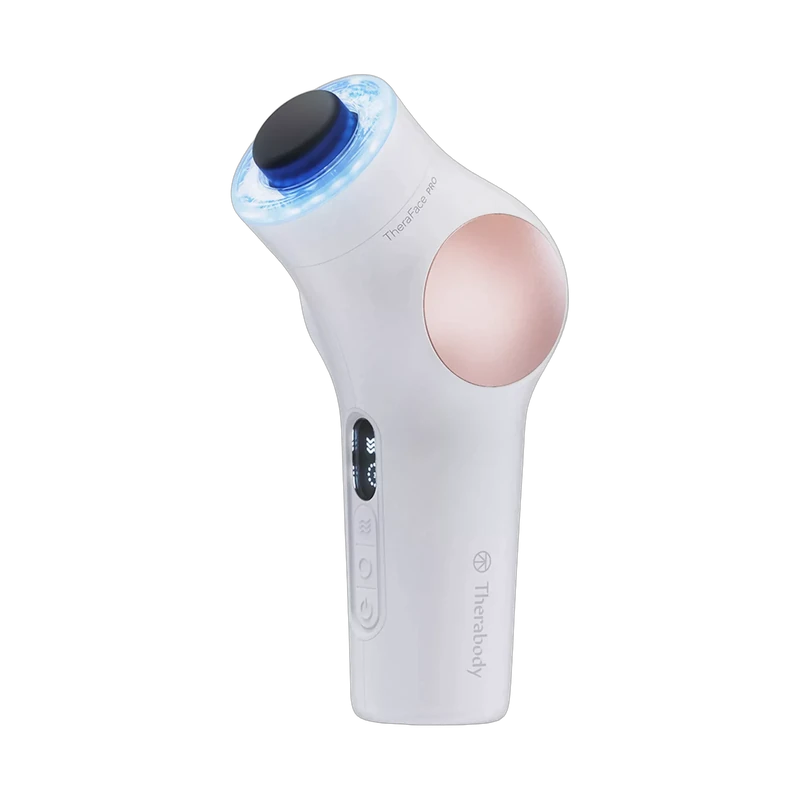
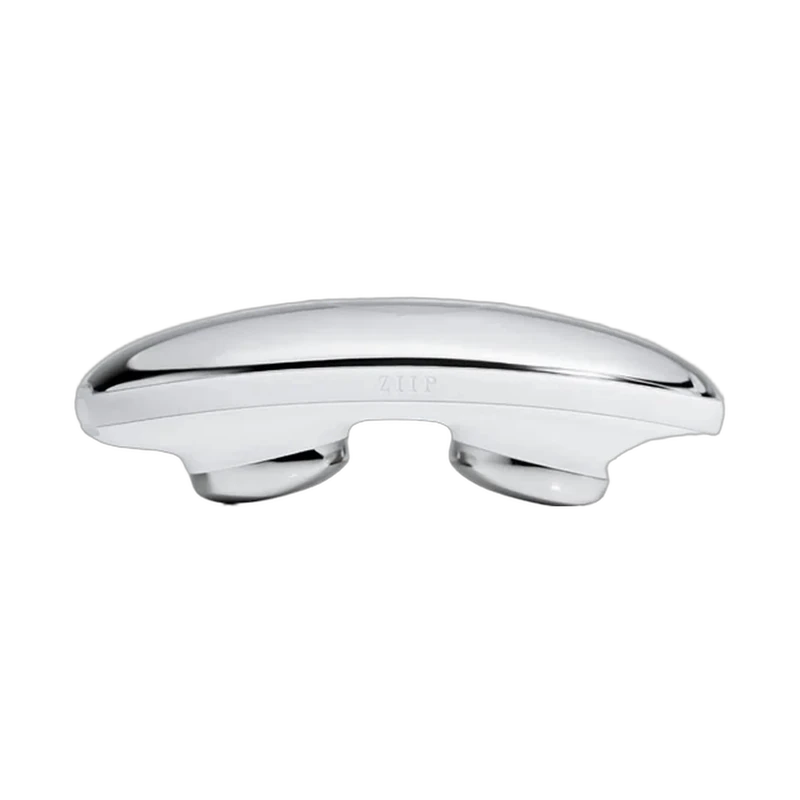
Microcurrent devices Celliara has reviewed
Current facts and scores come from each device's Celliara review.
Contraindications
Each manufacturer sets who should not use its device and how. The points below are general; read the exact device’s current warnings before you buy or use one. Where a manufacturer says not to use its device, a clinician’s advice does not change that.
- Pacemakers or other implanted electrical devices: check whether the exact device’s maker rules out use.
- Pregnancy: check what the exact device’s maker says about use during pregnancy.
- Epilepsy: FOREO, for example, says not to use the BEAR 2 with epilepsy; check the exact device’s warnings.
- Metal implants in the treatment area, including dental implants, facial plates and screws: FOREO, for example, says not to use the BEAR 2 with metal implants; check the exact device’s warnings.
- Active skin infections, open wounds, or compromised skin barrier: check the exact device’s warnings before using it on affected areas.
Frequently Asked Questions
How long until you see microcurrent results?
The honest answer: it varies, and there is no guarantee of visible results. Changes, when they appear, are subtle and build over weeks of consistent use as the device’s instructions direct, and results visible to others take longer than changes you notice yourself. Individual variation is substantial.
Does microcurrent work for jowls?
Jowls result from multiple factors: fat pad descent, ligament laxity, skin laxity, and bone resorption. Microcurrent may contribute modestly to muscle tone improvements that temporarily improve the appearance of early jowling, but it cannot address the structural drivers of established jowl formation. Significant jowling requires consultation with a medical professional about appropriate interventions.
What does microcurrent do to the face?
The proposed effects include: increased cellular ATP production supporting fibroblast activity and collagen synthesis; neuromuscular re-education through repeated sub-threshold stimulation of facial muscles; and temporary circulatory and lymphatic benefits from the physical application process. The net effect, with consistent use, is a gradual and modest improvement in facial muscle tone, skin quality, and definition — not a dramatic transformation. The cellular mechanisms are biologically plausible; the clinical effect sizes are modest.
Is one session enough?
No. A single microcurrent session may produce a temporary improvement in skin appearance from increased circulation and the physical massage effect of probe application. This is not a treatment effect — it’s a transient physiological response that fades within hours to a day. The mechanisms proposed for lasting aesthetic improvement (ATP upregulation, collagen synthesis, neuromuscular re-education) require repeated stimulation over weeks. Single-session use is not how this technology is designed to work.
Where to go next
See current recommendations
Our ranked page names the devices we recommend and who each one suits.
- Best Overall NuFACE Trinity+
- Best for Fine Control + Gel Flexibility FOREO BEAR 2
- Best for First-Time Buyers NuFACE Mini+
Decide between two devices
Explore the category
What separates the devices Celliara has reviewed, with every review in one place.
Microcurrent devices