A Celliara guide to LED face masks
How Often Should You Use an LED Face Mask?
What Is an LED Face Mask?
An LED face mask is a wearable phototherapy device that exposes the skin to specific wavelengths of light across a wide treatment area simultaneously. Unlike single-point LED panels or spot-treatment devices, face masks are designed to treat the full face — and in some cases the neck — in a hands-free format during a single session. LED masks used in at-home settings typically emit red light (630–660nm), near-infrared light (800–850nm), blue light (415–430nm), or combinations of these wavelengths.
LED light therapy was studied in professional settings before consumer masks appeared, and research has examined red and near-infrared light for skin appearance and blue light for acne. For how the light is delivered and measured, see our guide on how LED light therapy works.
The practical advantage of a mask is that it holds the light in a fixed position for the whole session, without the repositioning a hand-held panel needs. That does not, by itself, establish the dose delivered to your skin.
How It Works
LED light therapy works through a mechanism called photobiomodulation: specific wavelengths of light are absorbed by chromophores (light-sensitive molecules) within skin cells, triggering biological responses without generating heat. Unlike ablative lasers or RF devices, LED does not work by heating tissue. The response is photochemical, occurring at the cellular level.
Red light in the 630–660nm range is primarily absorbed by mitochondrial chromophores, particularly cytochrome c oxidase. Research suggests this absorption increases mitochondrial ATP production — essentially accelerating cellular energy availability. In fibroblasts (the cells responsible for collagen and elastin synthesis), elevated ATP production correlates with increased collagen production rates. This is the proposed mechanism for red LED’s anti-aging effect.
Near-infrared light can reach further into tissue than visible red, though how far depends on the tissue, the device and its geometry, and it is often paired with red light in masks.
Blue light (415nm) targets Propionibacterium acnes (P. acnes) — the primary acne-causing bacteria — by activating porphyrins naturally present within the bacteria. This creates a photodynamic effect that reduces bacterial populations in sebaceous follicles. Blue and combined blue/red light have been studied for inflammatory acne, but effectiveness depends on the exact device, dose, treatment regimen and acne severity.
What the Evidence Shows
A controlled trial by Wunsch and Matuschka (2014, Photomedicine and Laser Surgery) found that treated subjects had significantly improved skin complexion and skin feeling, profilometrically assessed skin roughness and ultrasound-measured collagen density. It used broadband and red polychromatic light sources rather than a consumer mask or panel, at about 9 J/cm² twice weekly for 30 sessions, and broadband light showed no advantage over red light alone.
Research on at-home masks specifically is more limited. Some mask makers report their own studies — Omnilux of its Contour Face over four weeks, CurrentBody of Series 2 over 56 days — which are manufacturer-reported and not comparable with each other. Output figures, where published, do not translate into a session length or frequency for you; the mask’s own instructions do.
For acne, blue and combined blue/red light have been studied for inflammatory acne, but effectiveness depends on the exact device, dose, treatment regimen and acne severity, and light is not a substitute for prescription treatment of moderate-to-severe acne.
Red and near-infrared are often combined in masks; an extra wavelength is not, by itself, evidence of added benefit. For what the research does and does not show, see our guide does red light therapy work.
What It Does NOT Do
LED face masks do not produce immediate or dramatic visible results after a single session. Unlike some energy-based devices that create temporary tissue tightening visible shortly after use, LED photobiomodulation operates at the cellular metabolic level. Any change in skin quality builds over weeks and is gradual. Anyone expecting overnight transformation will be disappointed.
LED therapy does not treat structural skin concerns such as significant laxity, volume loss, or deep-set wrinkles driven by muscle contraction (such as deep frown lines or nasolabial folds). Those concerns are outside what light therapy is studied for.
LED masks do not substitute for a core skincare routine. They are adjunctive tools — adding incremental benefit on top of an existing foundation of cleansing, SPF use, targeted actives (retinoids, vitamin C, niacinamide), and hydration. Evidence does not support the idea that LED therapy compensates for absent or inadequate topical skincare practices.
At-home LED masks do not universally match the power output or clinical outcomes of professional LED systems. Professional devices operate at higher, precisely calibrated irradiance levels in controlled clinical settings.
How Mask Schedules Differ
Session length, weekly frequency and course length are set by each mask’s maker, and they differ a lot:
- Dr. Dennis Gross SpectraLite FaceWare Pro: a three-minute session once a day; the maker expects its best wrinkle results after a 10-week daily course.
- Omnilux Contour Face: ten-minute sessions three to five times a week for four to six weeks, then maintenance as you like; Omnilux’s own study used three a week for four weeks.
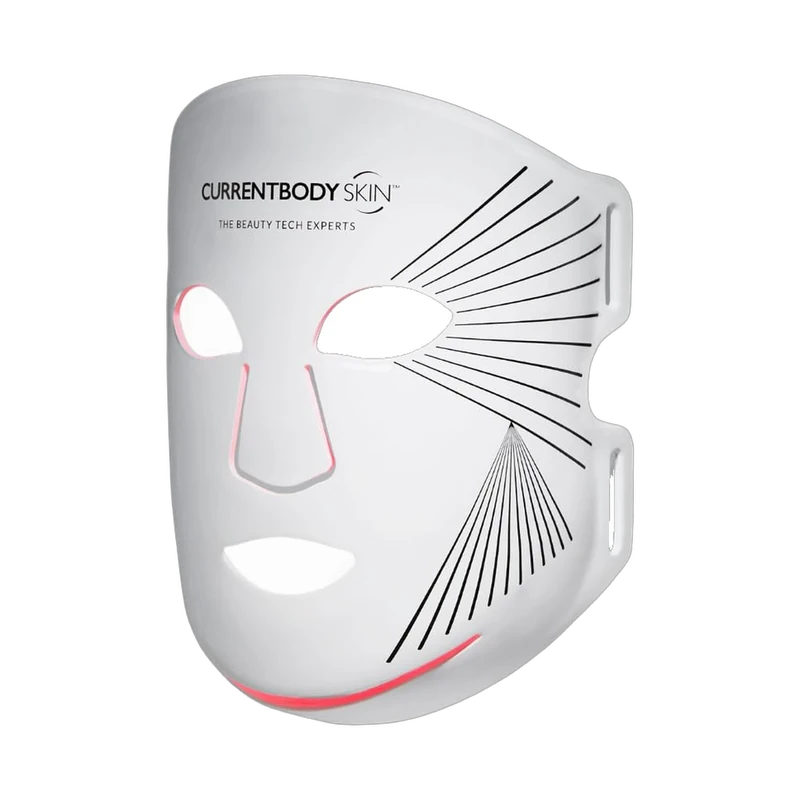
- CurrentBody Skin LED Mask Series 2: ten-minute sessions three to five times a week; CurrentBody’s reported summary covered 56 days.
- Therabody TheraFace Mask: a nine-minute preset; Therabody’s 12-week study used it daily, Monday to Saturday.
- EvenSkyn Mirage: at least three 25-minute sessions a week.
These are each maker’s instructions for its own mask, not a Celliara schedule, and none is a universal optimum: a routine is set for that mask’s output and design.
Makers’ own studies measured results at points such as four weeks (Omnilux), 56 days (CurrentBody Series 2) and 12 weeks (Therabody). Some makers describe maintenance after an initial course — Omnilux leaves it to you after four to six weeks — while others give one ongoing routine. Celliara’s current evidence record does not establish how long results last after you stop.
LED masks named in this guide
Current facts and scores come from each mask’s Celliara review.

Dr. Dennis Gross
Dr. Dennis Gross SpectraLite FaceWare Pro
8.2/10 Celliara Score, Very Good
Read the review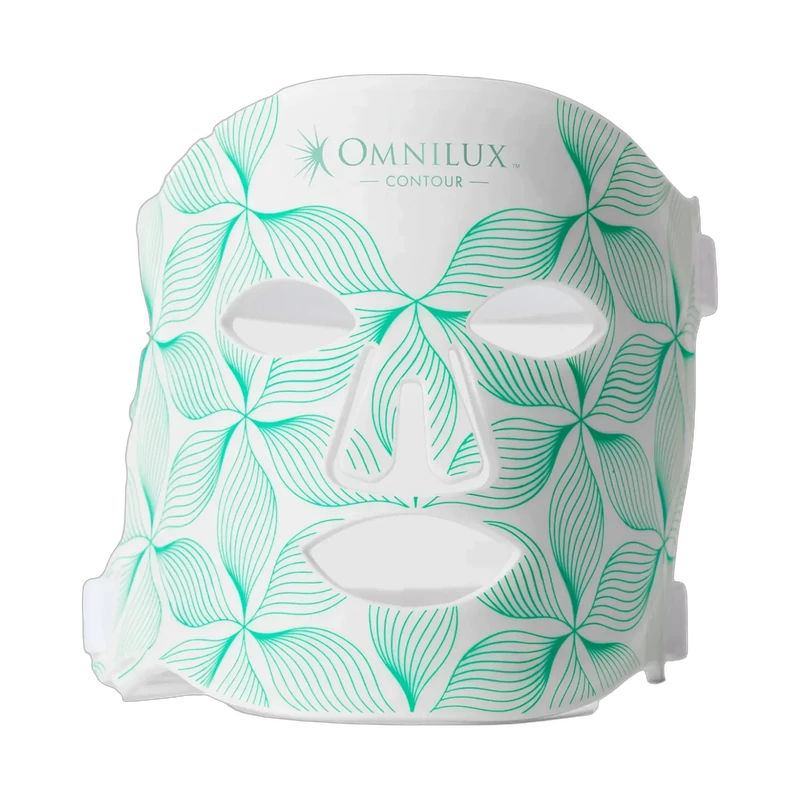
CurrentBody
CurrentBody Skin LED Light Therapy Face Mask Series 2
8.2/10 Celliara Score, Very Good
Read the review
Device Considerations
Irradiance (mW/cm²) and wavelength are the specifications most often published. Irradiance helps you read published figures, but it does not tell you how long or how often to use a mask: follow the mask’s own session time and never extend it to reach a calculated dose. Some manufacturers publish irradiance; others do not.
Wavelength accuracy matters because the photobiological research is wavelength-specific. Red light efficacy data centers on the 630–660nm range; near-infrared data centers on 810–850nm. Devices claiming effects while emitting at significantly different wavelengths are not supported by the same research base. A device’s actual emission can sit some distance from its nominal figure.
Fit affects how evenly light reaches the curved areas of the face. For an exact two-mask comparison, see CurrentBody Skin LED Mask vs Omnilux Contour Face.
Session length is device-specific — three minutes for SpectraLite, ten for Omnilux and CurrentBody Series 2, 25 for EvenSkyn Mirage — so follow your mask’s own session time.
Contraindications
Follow the exact device’s eye-protection instructions; near-infrared light is invisible, so you cannot judge exposure by how bright it looks. Eye protection differs between masks: CurrentBody includes eye inserts with Series 2, while Therabody’s manual says not to look at the LEDs during treatment.
Each manufacturer sets who should not use its device, so read the exact device’s current warnings before you buy or use one. Where a manufacturer says not to use its device, a clinician’s advice does not change that. Some medications increase the skin’s sensitivity to light: check the exact mask’s contraindications and ask your prescriber or pharmacist whether a medication you take affects light sensitivity. Omnilux’s manual, for example, calls for a patch test on your inner arm before the first session.
If you have a light-sensitive condition such as lupus, check the exact mask’s warnings and talk to your clinician before use.
Where to go next
See current recommendations
Our ranked page names the masks we recommend and who each one suits.
- Best Overall Mito Red Light MitoGLOW(TM) LED Face Mask
- Best Value Omnilux Contour Face
- Best for Short Sessions Dr. Dennis Gross SpectraLite FaceWare Pro
- Best for Light + Vibration Therabody TheraFace Mask
Decide between two masks
Explore the category
What separates the masks Celliara has reviewed, with every review in one place.
LED face masks