The Celliara category guide
At-home hair removal devices
Handheld IPL and laser devices for reducing hair at home. Celliara has reviewed nine: eight IPL devices and one diode laser. Which skin tones and hair colours a device is made for, the areas it covers and the routine it asks of you decide most of the choice.
What actually separates these devices
Use these to choose between any at-home IPL or laser devices, including ones we have not reviewed.
IPL or diode laser
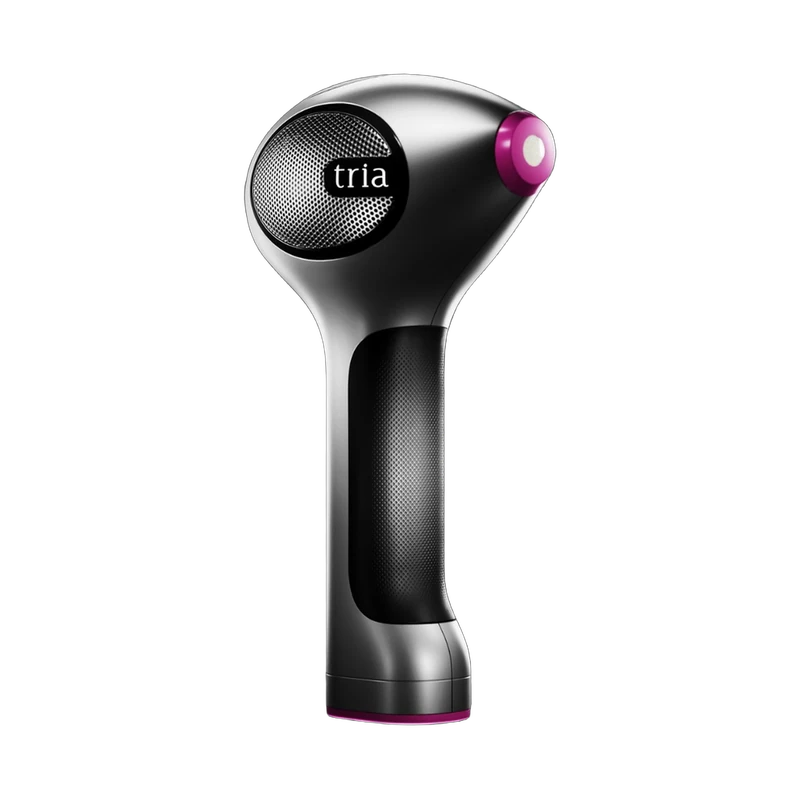
The eight IPL devices flash broadband light through a wider window. Tria 4X fires a single 810 nm diode laser through a small spot: precise on underarms, the bikini line and other defined zones, slow on full legs. Celliara's evidence record does not show either technology beating the other on results.
Who the device is made for
Compatibility is set per model. Tria states its laser is not for Fitzpatrick V–VI skin and cannot work on blonde, red, grey or white hair; Ulike does not recommend the Air 10 for dark brown skin or for red, light blonde, white or grey hair; Braun and Philips publish their own charts. Read the chart for the exact model before you buy.
Automatic or chosen intensity
Braun's SensoAdapt and Ulike Air 10's SkinSensor set flash energy for you, Philips' SenseIQ proposes a setting, and JOVS adapts intensity to skin tone. On Ulike Air 4, Silk'n Infinity Fast, EvenSkyn Pulsar and Tria 4X you choose the level; Silk'n, EvenSkyn and Tria also require a skin-sensor reading before the device fires. Automatic sensing is a convenience, not a replacement for the maker's chart.
Cooling and comfort
Ulike Air 4, Ulike Air 10 and JOVS Venus Pro II press a cooled sapphire window against the skin; Silk'n Infinity Fast and EvenSkyn Pulsar use a cooling fan. Cooling changes how a session feels, not what the device can achieve.
Heads and permitted areas
Philips Lumea 8000 has three heads, including a face attachment, and Braun's kit adds a face precision head. Philips does not permit facial use of the Lumea 7000, and JOVS adds a rotating head for awkward areas. Which areas are permitted varies by model, so check before you treat the face or bikini line.
Speed, power and ownership
AutoGlide on the Ulike Air 10 and glide mode on Silk'n Infinity Fast keep flashing as you move over legs and arms; Silk'n needs a mains socket every session, while Tria 4X is cordless and needs charging breaks on large areas. None of these devices uses cartridges: Braun rates its lamp at 400,000 flashes, Silk'n at 600,000 pulses, and Philips gives the Lumea 7000 a five-year rated service life.
The devices Celliara has reviewed
All nine at-home hair removal devices Celliara has reviewed, grouped by technology and listed alphabetically. This is our coverage, not a ranking; for recommendations, see our best picks.
IPL devices
Broadband light through a wider window.
-
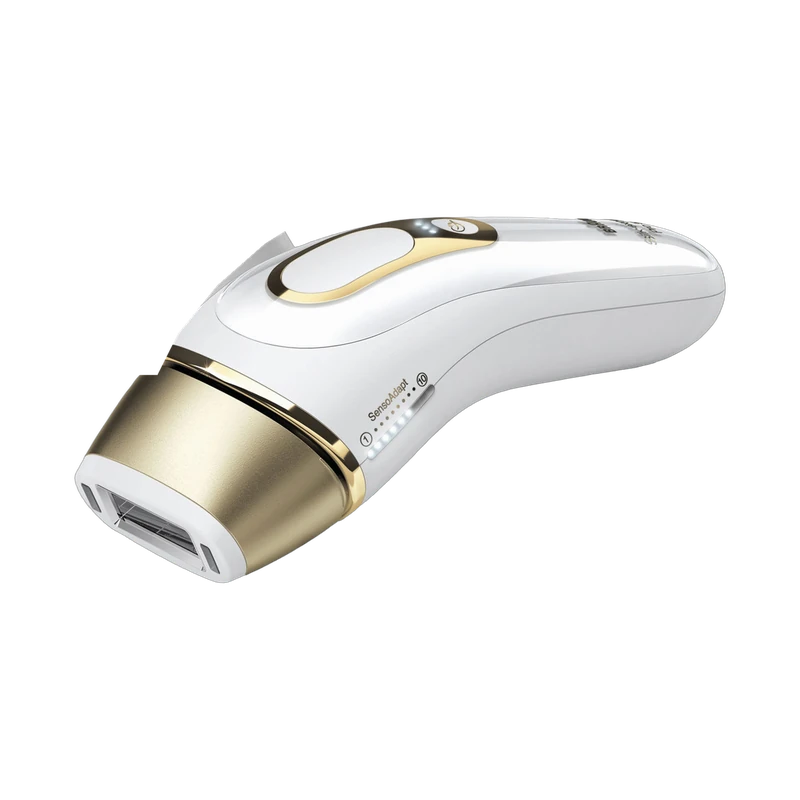 Braun
Braun Silk Expert Pro 5
8.9/10 Celliara ScoreExcellent
Best Overall in our best picks
automatic skin-tone adjustment and fast large-area IPL sessions without manually choosing an intensity for every area
Read the review
Braun
Braun Silk Expert Pro 5
8.9/10 Celliara ScoreExcellent
Best Overall in our best picks
automatic skin-tone adjustment and fast large-area IPL sessions without manually choosing an intensity for every area
Read the review
-
 EvenSkyn
 Pulsar
8.1/10 Celliara ScoreVery Good
Cartridge-free body IPL for dark hair on fair to medium-dark skin, for buyers who want to set their own level and accept thinner after-sale support
Read the review
EvenSkyn
EvenSkyn Pulsar
8.1/10 Celliara ScoreVery Good
Cartridge-free body IPL for dark hair on fair to medium-dark skin, for buyers who want to set their own level and accept thinner after-sale support
Read the review
-
 JOVS
JOVS Venus Pro II
8.7/10 Celliara ScoreExcellent
A rotating head and five area modes for compatible buyers who want to tailor handling across body areas
Read the review
JOVS
JOVS Venus Pro II
8.7/10 Celliara ScoreExcellent
A rotating head and five area modes for compatible buyers who want to tailor handling across body areas
Read the review
-
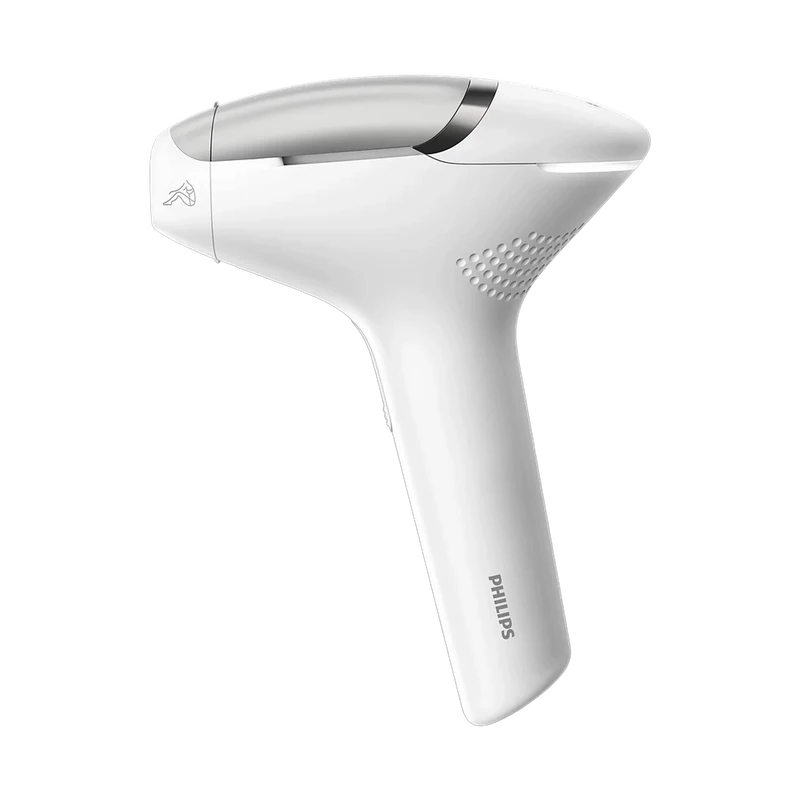 Philips
 Lumea 7000 Series
8.5/10 Celliara ScoreExcellent
Body-focused IPL with SenseIQ skin-tone sensing — the lower-priced Lumea for body-only plans
Read the review
Philips
Philips Lumea 7000 Series
8.5/10 Celliara ScoreExcellent
Body-focused IPL with SenseIQ skin-tone sensing — the lower-priced Lumea for body-only plans
Read the review
-
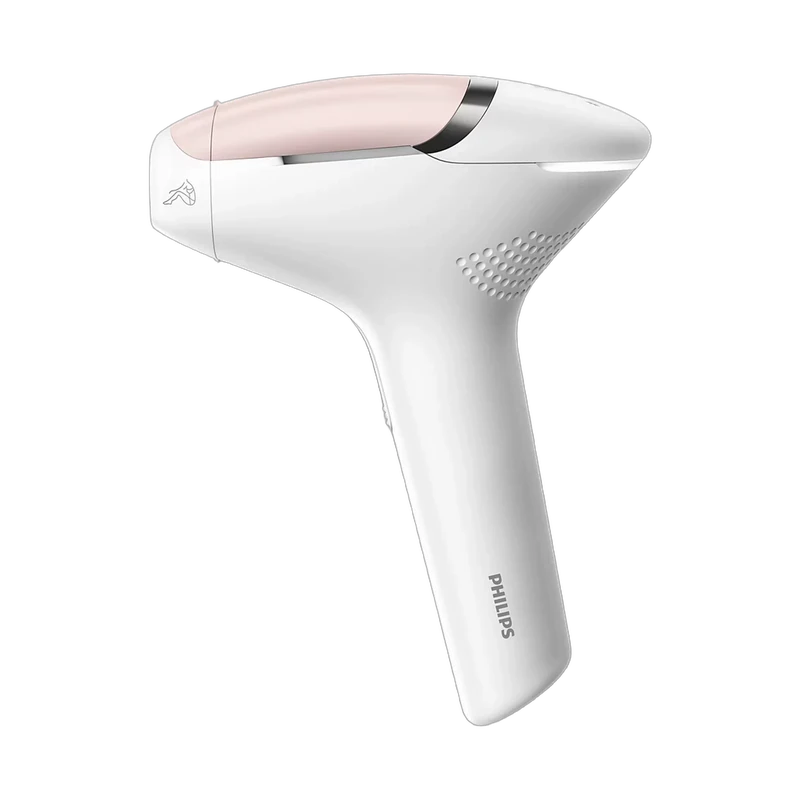 Philips
 Lumea 8000 Series
8.7/10 Celliara ScoreExcellent
Best for Face, Body and Bikini Line in our best picks
Body, face and bikini IPL in one kit, with SenseIQ proposing a setting for each area
Read the review
Philips
Philips Lumea 8000 Series
8.7/10 Celliara ScoreExcellent
Best for Face, Body and Bikini Line in our best picks
Body, face and bikini IPL in one kit, with SenseIQ proposing a setting for each area
Read the review
-
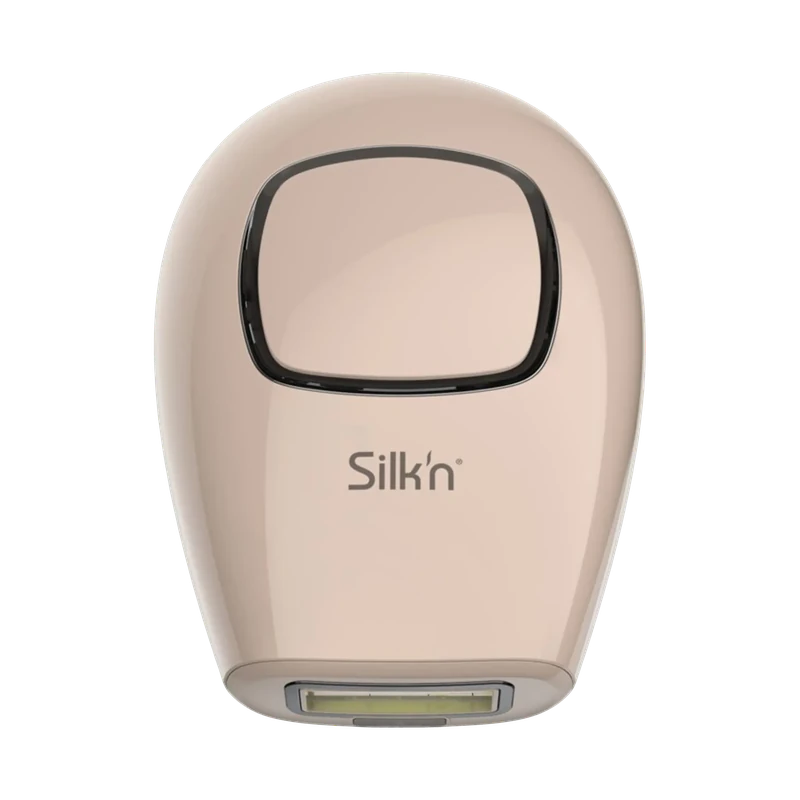 Silk'n
 Infinity Fast
8.2/10 Celliara ScoreVery Good
Buyers who want a compact, travel-capable IPL with an auto skin-tone sensor, with skin and hair inside the H3104 manual's limits
Read the review
Silk'n
Silk'n Infinity Fast
8.2/10 Celliara ScoreVery Good
Buyers who want a compact, travel-capable IPL with an auto skin-tone sensor, with skin and hair inside the H3104 manual's limits
Read the review
-
 Ulike
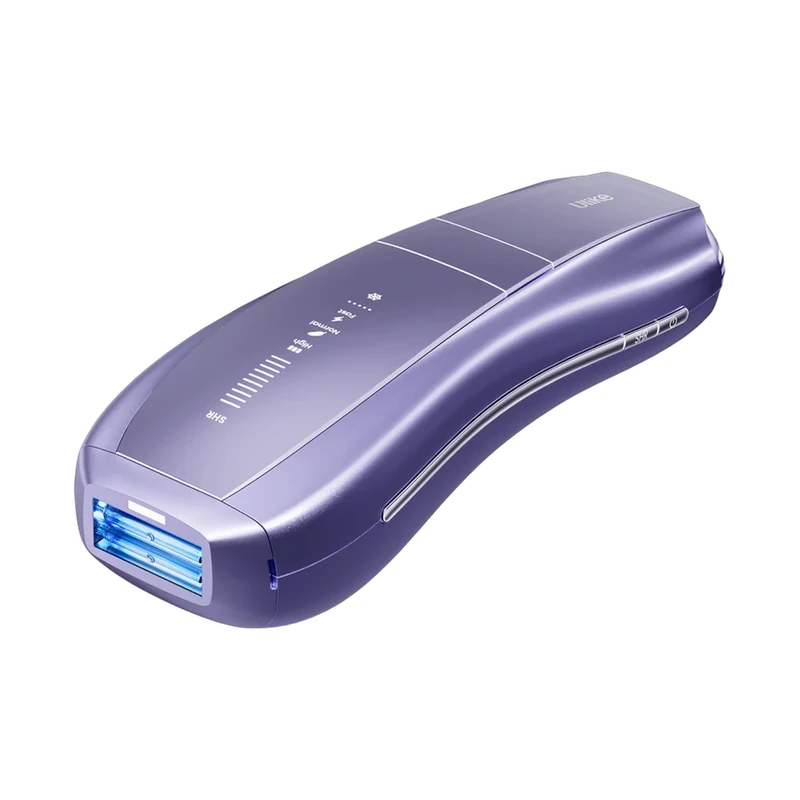
Ulike Air 10
8.7/10 Celliara ScoreExcellent
Best for Cooling + Automatic Power in our best picks
Buyers who want fast full-body IPL with sapphire cooling, SHR mode and AutoGlide, on compatible skin and hair contrast
Read the review
Ulike
Ulike Air 10
8.7/10 Celliara ScoreExcellent
Best for Cooling + Automatic Power in our best picks
Buyers who want fast full-body IPL with sapphire cooling, SHR mode and AutoGlide, on compatible skin and hair contrast
Read the review
-
 Ulike
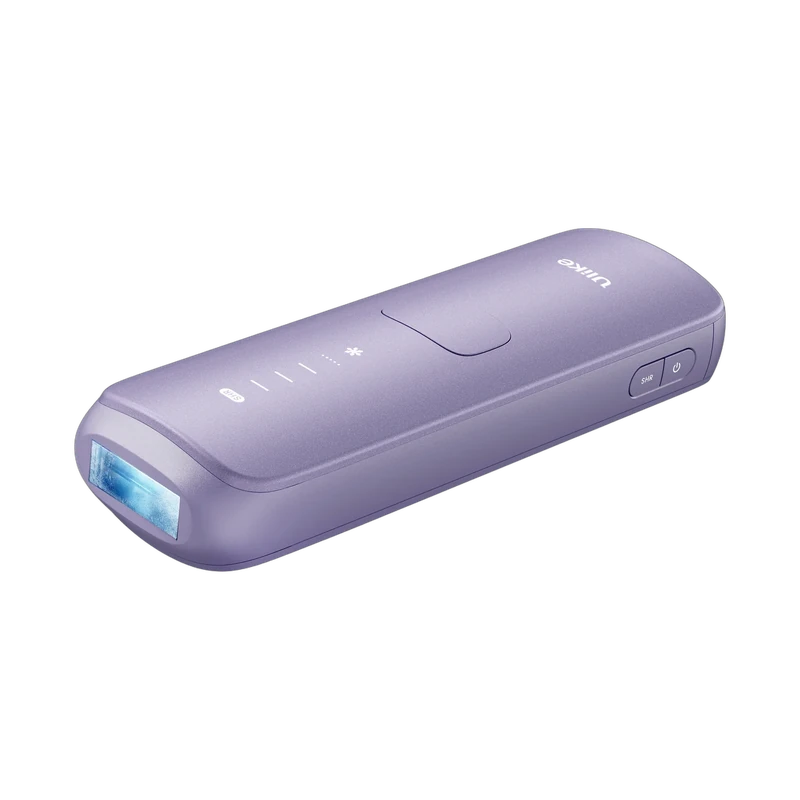
Ulike Air 4
8.9/10 Celliara ScoreExcellent
Best Value in our best picks
Dark hair on fair-to-medium skin, with fast, cooled IPL hair removal at home
Read the review
Ulike
Ulike Air 4
8.9/10 Celliara ScoreExcellent
Best Value in our best picks
Dark hair on fair-to-medium skin, with fast, cooled IPL hair removal at home
Read the review
Diode laser
A single 810 nm wavelength through a small spot.
Want a recommendation?
Our best at-home laser and IPL hair removal page ranks the shortlist, names the buyer each device suits and spells out the tradeoffs. Here is who it recommends for what.
See the best laser and IPL hair removal devices- Best Overall
- Braun Silk Expert Pro 5
- Best Value
- Ulike Air 4
- Best for Cooling + Automatic Power
- Ulike Air 10
- Best for Face, Body and Bikini Line
- Philips Lumea 8000 Series
- Best for Laser Precision on Small Areas
- Tria Hair Removal Laser 4X
Decide between two devices
Each comparison weighs the differences that actually change the choice.
At-home hair removal questions, answered
What does an at-home hair removal device do?
It uses light, either broadband IPL or a single-wavelength laser, to reduce hair growth over a course of sessions. Celliara reviews these devices for hair reduction, which builds gradually and needs maintenance.
Is a laser better than IPL?
Not by itself. A laser like Tria 4X is precise on small areas and slow on large ones, while the IPL devices here flash through wider windows. Celliara's evidence record does not show either technology beating the other on results.
Will it work on my skin tone and hair colour?
It depends on the exact model. Each maker publishes its own skin-tone and hair-colour chart, the charts differ, and some hair colours cannot be treated by some devices at all. Check the chart for the model you are considering.
How long does it take?
Each maker sets its own schedule. Philips, for example, sets four treatments two weeks apart and then one every four weeks. Expect a course of sessions before maintenance.
Can anyone use an at-home hair removal device?
No. Each maker sets who should not use its device and where it may be used. Celliara's reviews summarise the information available to Celliara, which may not include every exact-model restriction, so read the exact model's current manufacturer instructions before you buy or use one, and contact the manufacturer if anything is unclear.