A Celliara guide to microneedling devices
How Microneedling Works: Professional Treatment vs Home-Use Products
What Microneedling Is
Microneedling uses fine needles to make tiny punctures in the skin. The proposed mechanism is that the skin’s repair response produces new collagen, and most of the published research concerns professional treatment, much of it for acne scarring at clinical depths.
Professional microneedling is a medical procedure performed by a clinician. According to the FDA, no microneedling medical device is authorized for over-the-counter sale. That does not make every microneedling product sold for home use a cosmetic product, and buying one for home use does not show it is FDA-authorized. The FDA says some microneedling products are not medical devices, generally those that do not penetrate the living layers of the skin and claim only to exfoliate or improve the skin’s appearance, while a product intended to change the structure or function of tissue can be a medical device. Whether a particular product is regulated as a device depends on its characteristics, its intended use, the claims made for it and its exact regulatory status, product by product.
How Microneedling Works
The body treats each puncture as a small injury and responds with repair, a process often called collagen induction. How much remodelling follows depends on how deep the needles go and on the person, and the studies that measured it used professional devices and protocols.
Deeper professional treatment reaches the dermis, where the more significant remodelling described in the research takes place. Shallow cosmetic needling acts on the skin’s surface layers, and results from professional treatment do not transfer automatically to a home device.
Types of Microneedling Devices
The main categories differ in how the needles reach the skin and in who uses them:
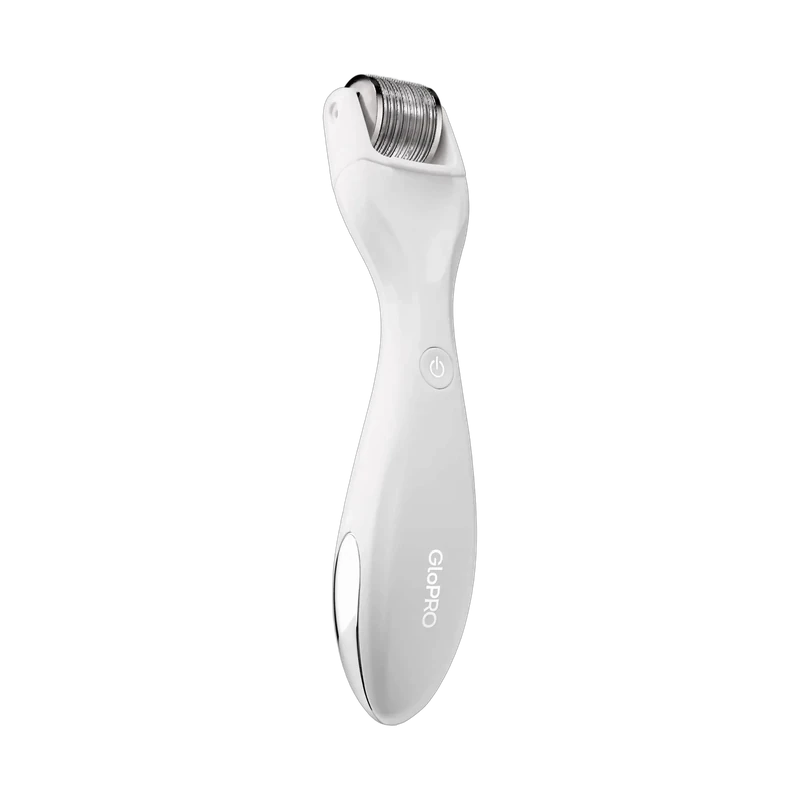
- Rollers: A head set with fine needles that you roll over the skin. The BeautyBio GloPRO is a roller-style tool with a fixed shallow tip (0.25 mm, according to BeautyBio).
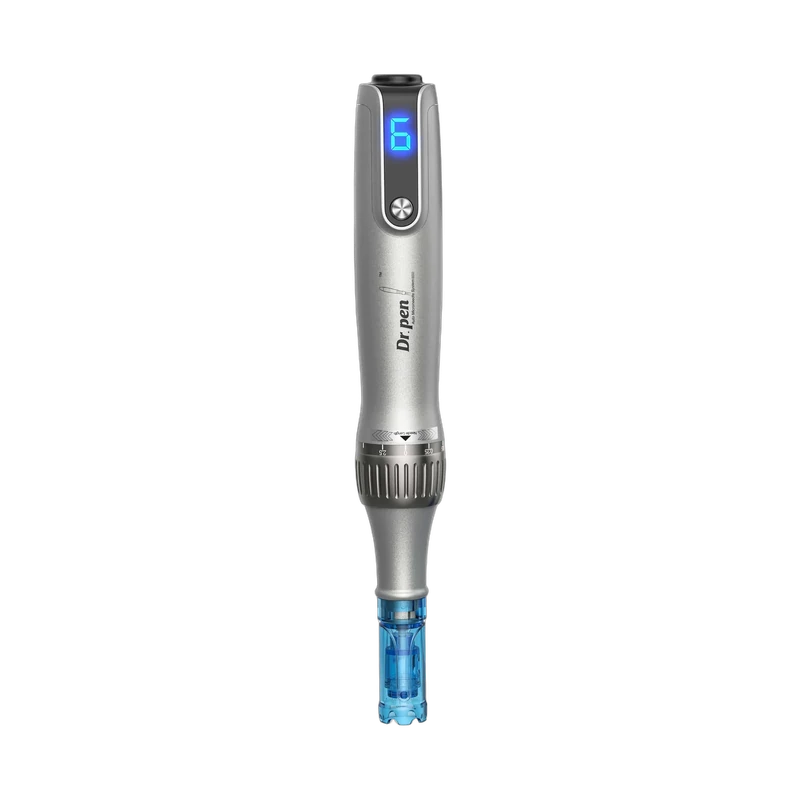
- Pens: An electric pen with a needle cartridge that moves the needles in and out of the skin. The Dr. Pen Ultima M8S is an example; it adjusts from 0.25 to 2.5 mm, and Dr. Pen’s rule is a new single-use cartridge from its sterile pack every session, never reused.
- RF microneedling: Combines microneedling with radiofrequency energy. It is a professional procedure performed in a clinic, not a home treatment.
For the two devices Celliara has reviewed, see our Dr. Pen Ultima M8S review and BeautyBio GloPRO review.
The home microneedling devices Celliara has reviewed
Current facts and scores come from each device’s Celliara review.
What the Research Covers
Most published microneedling research concerns professional treatment, much of it for acne scarring at clinical depths. Celliara’s record includes no published study of either home device it has reviewed, so professional results should not be read as what a product sold for home use will do.
Needle Depth: What the Makers Say
Depth is the main difference between cosmetic and professional microneedling, and Celliara does not recommend a depth. The GloPRO’s tip is fixed (0.25 mm according to BeautyBio; some retailers list 0.3 mm). The M8S adjusts from 0.25 to 2.5 mm; as Celliara’s M8S review reports, home use stays at the cosmetic end, deeper settings belong in a professional’s office, and the manual gives a depth chart but no schedule, so settings and a schedule are something to agree with a professional.
Device Hygiene: Each Maker’s Rules
Celliara does not give microneedling procedure, numbing, aftercare or wound-care instructions. Each maker sets its own rules, and they differ by device type:
- Dr. Pen Ultima M8S (pen): a new single-use cartridge from its sterile pack every session, prepared as the manual directs and never reused; use it only on intact skin, never over open wounds, active acne or irritation; clean the pen body with a disinfecting wipe.
- BeautyBio GloPRO (roller-style tool): spritz the head with 70% or stronger isopropyl alcohol and let it air-dry; replace the MicroTip head every three to four months; skip active acne, open wounds or irritated skin.
These rules belong to each device and do not transfer between pens and rollers, so follow the exact device’s instructions.
Who Should Not Use a Microneedling Device
Each manufacturer sets who should not use its device, so read the exact device’s current warnings before you buy or use one. Where a manufacturer says not to use its device, a clinician’s advice does not change that. Both makers above say to skip active acne, open wounds or irritated skin. If you have a skin condition in the area, or a medical condition or medication that affects bleeding or healing, talk to a dermatologist before considering microneedling.
Frequently Asked Questions
How often should I microneedle at home?
Celliara does not set a microneedling schedule. The M8S manual gives a depth chart but no schedule, so Celliara’s review advises agreeing one with a professional; BeautyBio publishes its own routine for the GloPRO. Follow the exact device’s instructions.
Does at-home microneedling actually work?
Most microneedling research concerns professional treatment at clinical depths. Celliara’s record includes no published study of either home device it has reviewed, so professional results do not tell you what a product sold for home use will do.
How long until I see results?
Celliara’s record does not establish a results timeline for products sold for home use. Professional studies report results on their own protocols, which do not transfer automatically to home use.
Can I microneedle and use retinol?
Celliara does not give guidance on when to stop or resume skincare actives around microneedling. Follow your device’s instructions, and ask a dermatologist or the clinician treating you.
What is the difference between a derma roller and a derma pen?
A pen moves needles in and out of the skin from a cartridge; a roller rolls needles across it. Celliara’s record does not establish that one gives better results than the other, and each has its own hygiene rules: the M8S uses a new sterile cartridge every session, while the GloPRO head is cleaned with alcohol and replaced every three to four months.
Where to go next
See current recommendations
Our ranked page names the devices we recommend and who each one suits.
- Best for Experienced Users Dr. Pen Ultima M8S
Explore the category
What separates the devices Celliara has reviewed, with every review in one place.
Microneedling devices