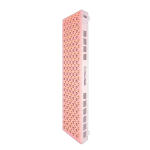
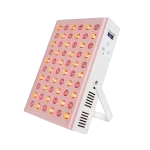
What Is Red Light Therapy?
Red light therapy (RLT) — also called photobiomodulation or low-level laser therapy (LLLT) — is the application of specific wavelengths of red and near-infrared light to skin tissue. Devices emit light typically in the 630–850 nm range, which research suggests can penetrate the skin at varying depths depending on wavelength. It is not UV light and does not cause tanning, burning, or ionizing radiation exposure.
RLT originated in clinical settings but has since moved into consumer devices, including panels, wands, and LED face masks. The technology itself is well-established in research contexts; the consumer device market, however, varies widely in quality and output.
How It Works
The leading hypothesis is that red and near-infrared light is absorbed by cytochrome c oxidase, a photoreceptor in mitochondria. This absorption is thought to stimulate cellular energy production (ATP), which may support cellular repair and signaling processes. The mechanism is plausible and supported by in vitro and animal studies, though the translation to human clinical outcomes is still being refined.
| Claim | What the evidence shows |
|---|---|
| Red light therapy tightens skin instantly. | Clinical data shows that while red light therapy can improve skin elasticity and firmness over time, results are not immediate. A study published in the Journal of Cosmetic Dermatology indicated that significant improvements in skin texture and elasticity were observed after 12 weeks of consistent treatment, rather than instant results. |
| Red light therapy replaces surgery for skin rejuvenation. | Research supports that red light therapy can enhance skin appearance and reduce signs of aging, but it does not replace surgical interventions. A review in the Journal of Clinical and Aesthetic Dermatology noted that while RLT can improve skin quality, it is not a substitute for procedures like facelifts or other surgical methods that provide more dramatic and immediate results. |
| Red light therapy provides permanent results. | Evidence indicates that the benefits of red light therapy are not permanent. A study in the journal Lasers in Surgery and Medicine found that while RLT can lead to improvements in skin conditions, these effects typically require ongoing treatments to maintain, as results can diminish over time without continued use. |
| All red light therapy devices are equally effective. | Clinical data shows significant variability in the effectiveness of red light therapy devices based on factors such as wavelength, power output, and treatment duration. A systematic review published in the journal Photomedicine and Laser Surgery highlighted that not all consumer devices deliver the same therapeutic benefits, emphasizing the importance of choosing high-quality devices with adequate specifications. |
Different wavelengths penetrate tissue at different depths. Red light (~630–660 nm) is generally associated with surface-level skin effects; near-infrared (~810–850 nm) penetrates deeper into muscle and joint tissue. Many consumer devices combine both ranges in a single panel.
What the Evidence Shows
The strongest clinical evidence for RLT centers on a few specific applications. These include wound healing, certain forms of hair loss (androgenetic alopecia), mild-to-moderate acne, and musculoskeletal pain relief. Multiple randomized controlled trials support these uses, though study sizes are often small and protocols vary significantly between trials.
For anti-aging applications — specifically skin texture, fine lines, and collagen density — early studies show promising signals, but evidence quality is mixed and long-term data is limited. If you want to evaluate the research yourself before buying, the Celliara guides library covers the clinical landscape by use case in more detail.
What It Does NOT Do
Red light therapy is not a treatment for cancer, serious skin conditions, or systemic disease. Despite aggressive marketing claims in the consumer space, there is no credible evidence that RLT produces dramatic fat loss, cures autoimmune disease, or reverses deep structural aging at consumer-grade power levels. Claims that outpace the current body of published research should be treated with skepticism.
RLT is also not interchangeable with infrared saunas, which operate at much higher thermal outputs and different mechanisms entirely. Devices marketed with exaggerated before-and-after imagery or guaranteed results are not consistent with how the science currently reads.
What to Expect — Realistic Timeline
Most clinical protocols use daily or near-daily sessions over 4–12 weeks before measuring outcomes. Consumer users should not expect visible changes in days; the biological processes involved — collagen synthesis, cellular repair, hair cycling — operate on longer timescales. Consistency of use matters more than session length in most published protocols.
Skin texture and tone improvements, when reported, typically begin to appear after 6–8 weeks of consistent use. Pain applications may show faster subjective response. Any device that promises visible results in under two weeks is overstating what the evidence supports.
Device Considerations
When evaluating how to choose a red light therapy device, the most important variables are wavelength, irradiance (power density measured in mW/cm²), treatment area, and build quality. A device with clinically relevant wavelengths (630 nm, 660 nm, 810 nm, 850 nm) and sufficient irradiance to reach therapeutic dosing thresholds is the baseline requirement — not marketing language or LED count alone.
Irradiance matters more than raw LED quantity. A panel with 300 underpowered LEDs may deliver less usable energy than one with 100 high-output LEDs at the correct wavelengths. Third-party irradiance testing data, when available, is more reliable than manufacturer specs alone. Use the device comparison tool to evaluate specific models side by side on these criteria before committing to a purchase.
Form factor affects usability and therefore consistency. Handheld wands suit targeted, small-area use. Full panels suit whole-body or larger-area protocols. Masks are convenient for facial use but vary significantly in output quality — cheaper mask designs often fall below therapeutic irradiance thresholds.
Contraindications
Red light therapy is generally considered low-risk for most users, but certain populations should consult a physician before use. These include individuals who are pregnant, people with active cancer or a history of photosensitive conditions, those taking photosensitizing medications (such as certain antibiotics, retinoids, or chemotherapy drugs), and individuals with epilepsy triggered by light.
Direct eye exposure to high-irradiance devices should be avoided. Most reputable devices include protective eyewear or recommend keeping eyes closed during facial sessions. RLT is not a medical device in the consumer context, and it does not substitute for professional dermatological or medical care for diagnosed conditions.
Once you’ve chosen a panel, build your session protocol around it. See the Red Light Therapy Panel Protocol for the complete accessory stack: eye protection, panel positioning, and post-session serums.
Narrowed your criteria? Compare the top options directly.
Side-by-side specs, irradiance measurements, and verdict summaries for the leading red light therapy panels.
Compare RLT Panels →