A Celliara guide to microcurrent devices
Microcurrent Accessories: What Your Device Requires and What’s Optional
A microcurrent device needs one supporting product to work as designed: a conductive medium on the skin. Other products often sold alongside it, such as a serum or a daily sunscreen, are ordinary skincare choices rather than part of how the device works. This guide separates what your device requires from what is optional, and shows how to check a product against your exact device’s instructions.
What the Device Requires: A Conductive Medium
Microcurrent devices deliver a low-level current, measured in microamperes, through probes or spheres that glide over the skin. The current needs a conductive layer between the device and your skin; without it, current does not flow well and you can feel static.
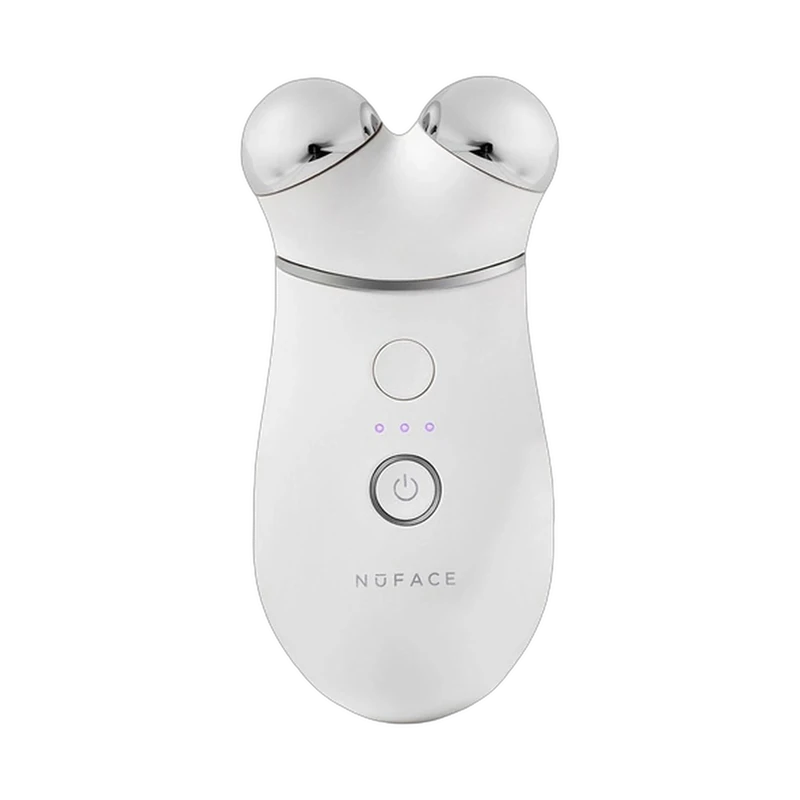
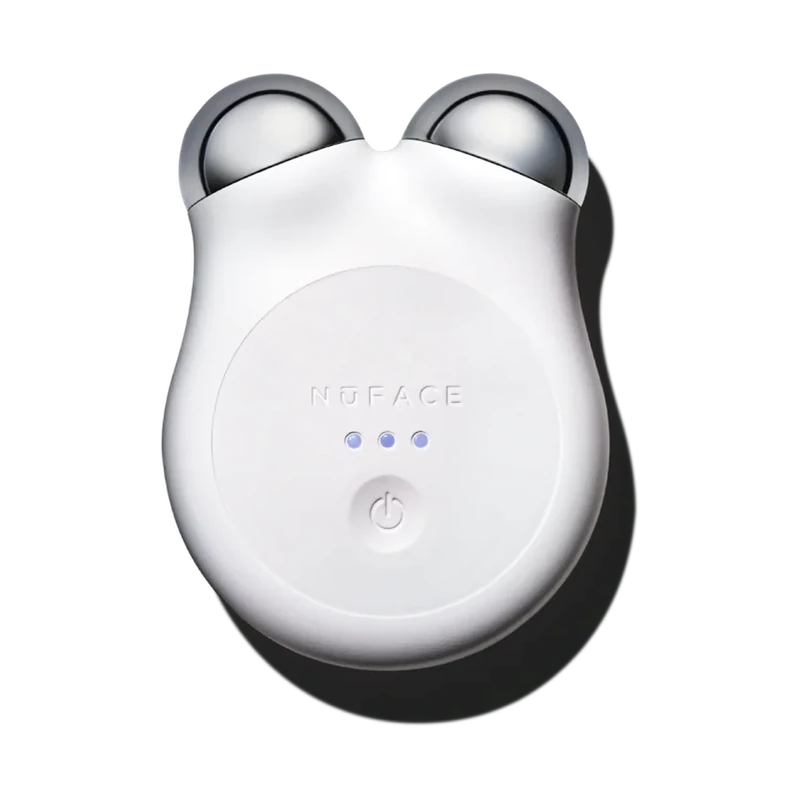
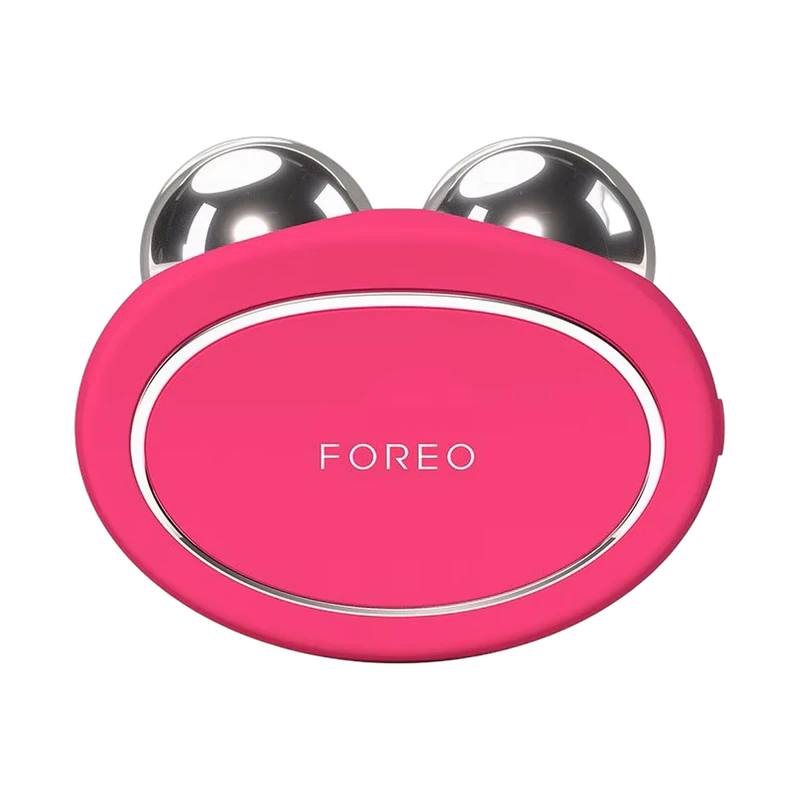
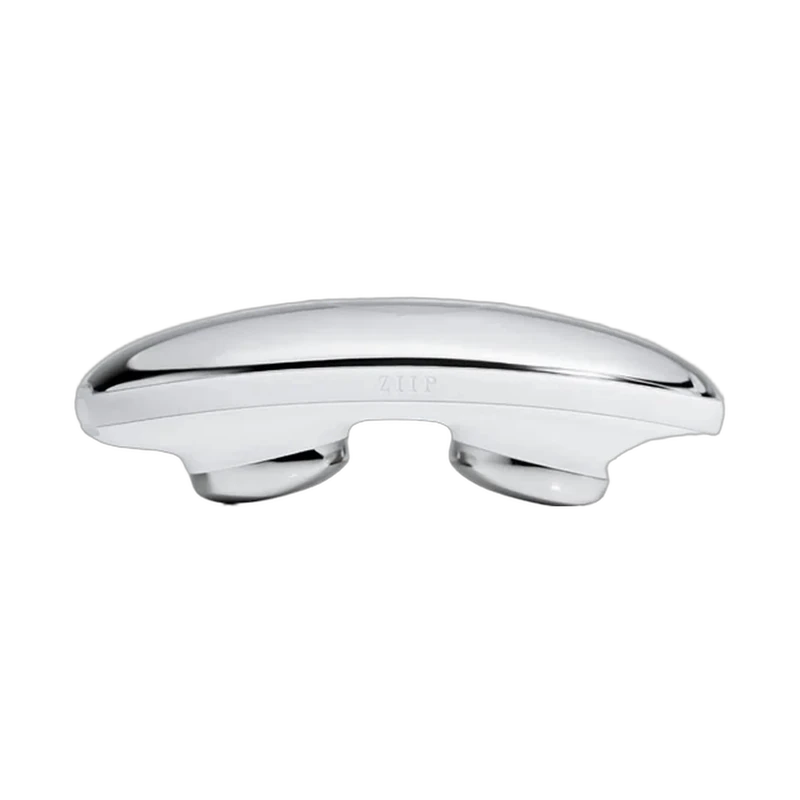
Makers specify what that layer should be, and they differ. NuFACE says its devices need a conductive activator every session, so use the one NuFACE specifies. FOREO says any water-based gel or serum, aloe vera gel included, works with the BEAR 2. ZIIP’s warranty for the ZIIP Halo excludes conductive media other than ZIIP gel. The right medium is the one your exact device’s instructions name; for what separates conduction gels, see our conduction gel guide.
Microcurrent devices whose gel rules are reported here
Current facts and scores come from each device’s Celliara review.
What Is Optional: Serum and Sunscreen
A serum after a session and a daily sunscreen are ordinary skincare choices you can keep or skip. Celliara’s record does not establish that a microcurrent session changes how well a serum absorbs, or that a serum or sunscreen changes what a microcurrent device does. If you add either, check that it does not conflict with your device’s instructions; FOREO, for example, allows a water-based serum as the conductive layer itself.
Examples of each, named here as examples rather than requirements:
Celliara may earn a commission if you buy through the next link. It never changes our evidence, scores or recommendations. Affiliate disclosure
- Conductive medium: the NuFACE Aqua Gel Activator, NuFACE’s own water-based activator for its devices.
- Optional serum: The Ordinary Multi-Peptide + HA Serum.
- Optional daily sunscreen: EltaMD UV Clear SPF 46.
How Often to Use the Device
Session frequency is set by each device’s maker, and Celliara does not set a schedule of its own. Our guide to how often to use a microcurrent device reports what current makers say.
What Results to Expect
Accessories do not change what the evidence shows about microcurrent results. For what studies have measured and how to read before-and-after claims, see microcurrent before and after.
Choosing Your Device
If you haven’t chosen a device yet, check its conductive-medium rule before you buy, since some makers tie you to their own gel. Our ranked guide to the best microcurrent devices compares the leading options, and the microcurrent hub covers the whole category.
Contraindications
Each manufacturer sets who should not use its device, so read the exact device’s current warnings before you buy or use one. Where a manufacturer says not to use its device, a clinician’s advice does not change that.
FOREO, for example, says not to use the BEAR 2 with metal implants, epilepsy or cancer, or over raised moles or red skin. If you have an implanted electronic device such as a pacemaker, are pregnant or have a skin condition in the area, check the exact device’s warnings before you buy.
This article is for informational purposes only and does not constitute medical advice. See our full disclaimer. Celliara does not independently test devices. See our editorial policy for how we evaluate and score products.
Where to go next
See current recommendations
Our ranked page names the devices we recommend and who each one suits.
- Best Overall NuFACE Trinity+
- Best for Fine Control + Gel Flexibility FOREO BEAR 2
- Best for First-Time Buyers NuFACE Mini+
Decide between two devices
Explore the category
What separates the devices Celliara has reviewed, with every review in one place.
Microcurrent devices