A Celliara guide to LED face masks
Red Light Therapy Panels vs LED Face Masks: What Actually Differs
What Is a Red Light Therapy Panel?
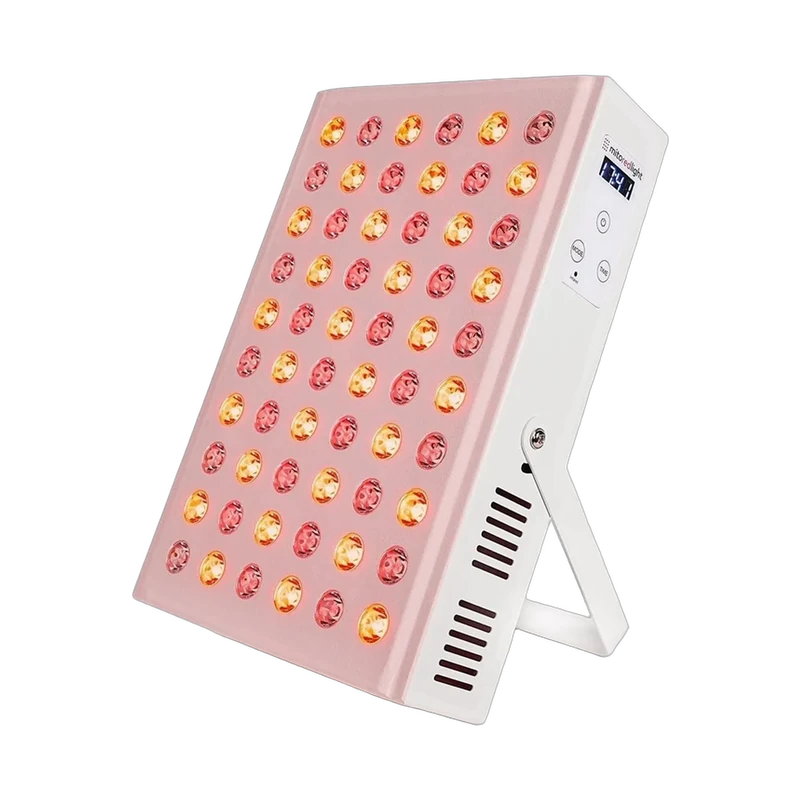
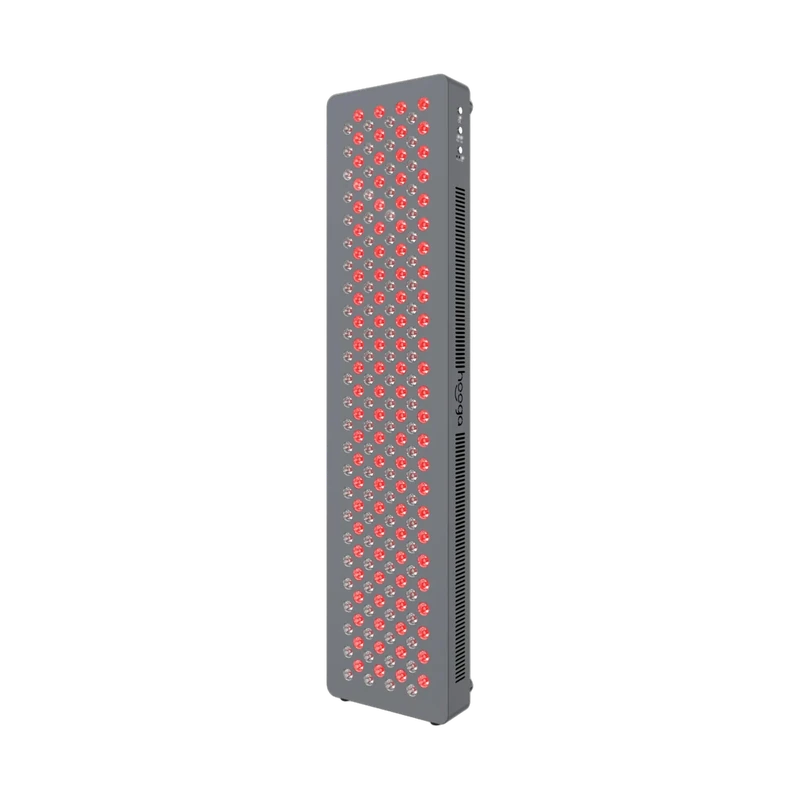
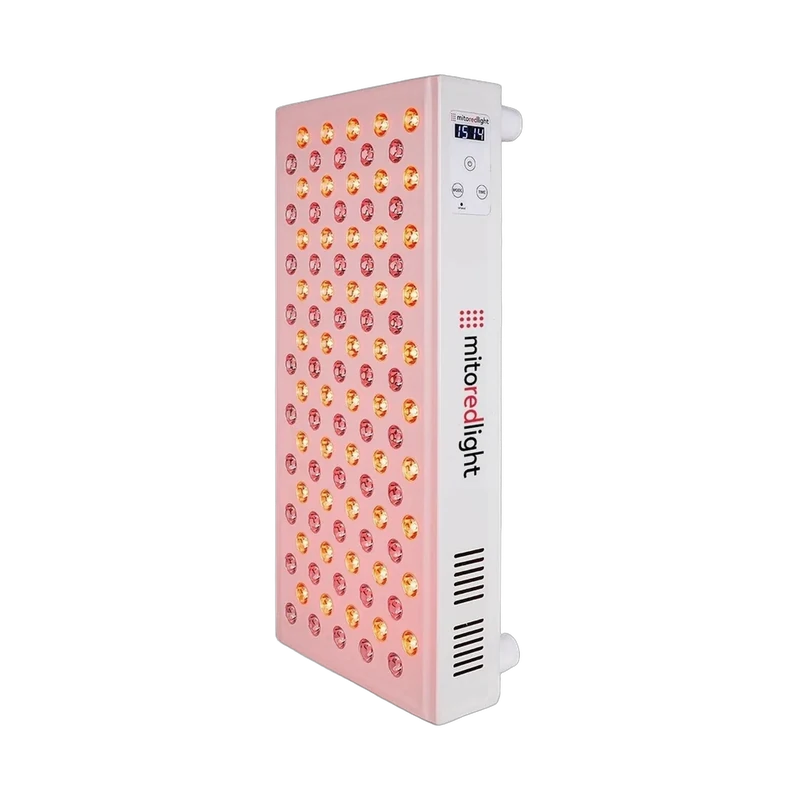
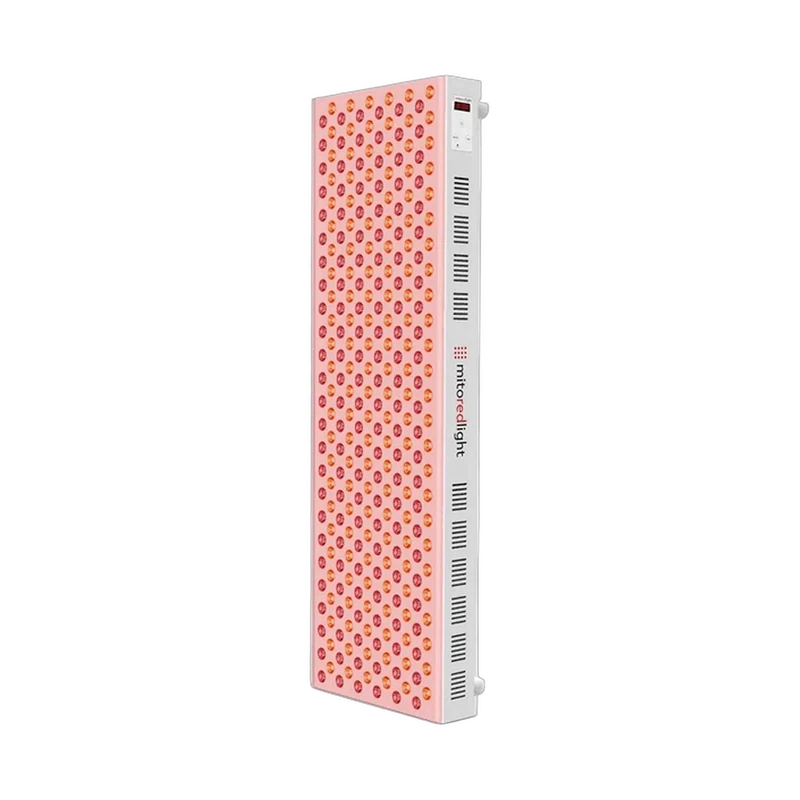
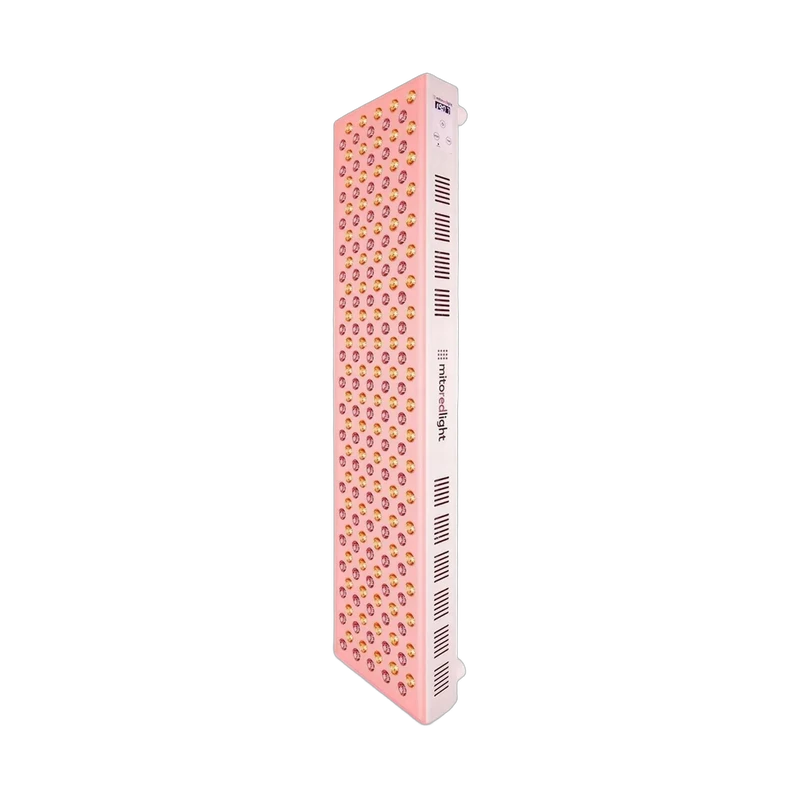
A red light therapy panel is a flat array of LEDs — typically mounted on a rigid frame — designed to emit red and near-infrared light across a wide surface area. Unlike targeted devices, panels are built for simultaneous treatment of large body regions: full face, neck, torso, back, or multiple body zones at once.
Most consumer panels emit light at two wavelength ranges: 630–660 nm (red, absorbed by skin-surface cells and collagen fibers) and 810–850 nm (near-infrared, penetrating deeper into muscle tissue, joints, and subcutaneous layers). Some panels also add 810 nm or 940 nm for deeper systemic application.
What defines a quality panel is irradiance — the actual power delivered per square centimeter at a standard treatment distance. A panel rated at 50–100 mW/cm² at 6 inches is meaningfully different from one rated the same at 12 inches. Independent published measurements, where they exist, are worth checking alongside the manufacturer’s figure.
Panel sizes range from small spot-treatment units (~12″×6″) to modular full-body systems over 4 feet tall. Treatment distances typically fall between 4 and 12 inches, with session times of 10–20 minutes per body zone at recommended distances.
Panels are marketed for skin-appearance, recovery and full-body routines. Their scale makes them efficient for anyone treating more than just the face.
What Is an LED Face Mask?
An LED face mask is a wearable device — shaped to conform to the face — that delivers light therapy directly to facial skin at close contact or near-contact distance. Because the LEDs are positioned a centimeter or less from the skin surface, these devices can deliver comparable irradiance at the skin from much lower total wattage than a panel.
Most LED face masks use one or more of the following wavelengths:
- Red (630–660 nm): Collagen stimulation, fine lines, skin texture
- Near-infrared (830–850 nm): Deeper tissue penetration, anti-inflammatory
- Blue (415–430 nm): Aimed at acne-causing bacteria at the skin surface
- Yellow/amber (590 nm): Offered as a calming mode; a redness benefit is not established
Some masks have exact-model study data. Omnilux reports its own four-week study of the Omnilux Contour Face in 25 people, and CurrentBody reports outcome figures for its Series 2 mask over 56 days. Both are manufacturer-reported rather than independent trials, so they help set expectations without predicting a result.
LED masks are designed for facial use only. They are not suitable for body treatment, and are not built for body routines. On the face, a mask holds a fixed distance from the skin, while a panel’s output at the skin depends on how far away you sit; a figure measured at the skin and one measured at 6 inches are not comparable. Neither format is shown to produce better results.
Session length and frequency are set by each mask’s maker: SpectraLite runs three minutes daily, while Omnilux and CurrentBody Series 2 run ten minutes three to five times a week.
How the Technology Compares
Panels and masks use the same underlying photobiomodulation mechanism: photons at specific wavelengths are absorbed by chromophores in cellular mitochondria (primarily cytochrome c oxidase), triggering a cascade that increases ATP production, reduces oxidative stress, and modulates nitric oxide signaling. The biological pathway is identical regardless of device form factor.
Where they differ is in delivery:
| Factor | Red Light Panel | LED Face Mask |
|---|---|---|
| Coverage area | Full body zones (6″–48″ wide) | Face only |
| Stated output | Varies by panel; check the figure at your treatment distance | Varies by mask; usually stated at or near the skin |
| Near-infrared | Varies by model | Varies by model; not every mask includes it |
| Treatment time | Set by each maker, per zone | Set by each maker (3–10 min in the masks named here) |
| Wavelength options | Red + NIR (dual or more) | Red, NIR, blue, amber |
| Exact-model evidence | Varies by model | Varies by model; some makers report their own studies |
| Form factor | Freestanding/wall-mounted | Wearable, hands-free |
One nuance that’s often misunderstood: near-infrared penetration depth from a face mask is limited by device geometry. A mask that positions LEDs 0–2 cm from the skin surface delivers NIR light at approximately the same depth as a panel at close range — but a face mask is not designed to treat limbs or the torso the way a large panel can.
For the face alone this distinction matters less; the mask format is designed for exactly that use.
Coverage, Treatment Time & Cost
Coverage area is the most obvious functional difference. A LED face mask covers the face and occasionally the neck. A panel can cover the face, neck, décolletage, scalp, back, joints, and limbs — often in a single session if the panel is large enough.
If your goals extend beyond facial skin — recovery from workouts, joint inflammation, scalp health, or full-body photobiomodulation — a panel is not just a preference, it’s a practical requirement. A face mask physically cannot do that job.
Treatment time follows each device’s instructions. A mask treats the face in one session — three minutes for SpectraLite, ten for Omnilux or CurrentBody Series 2 — while a panel treats one zone at a time, so covering face, chest and back adds up to several zones’ worth of time.
Cost varies widely within both formats, and prices change, so check each device’s current price in its Celliara review. Price alone does not tell you whether a device is effective: compare the exact model’s published specifications and evidence instead.
Who Should Choose Which?
Choose an LED face mask if:
- Your primary goal is facial skin — fine lines, tone, acne, or texture
- You want a hands-free, mask-on-and-walk-away experience
- You want a device with exact-model study data, which some mask makers report
- Space is limited and a freestanding panel is not practical
- You’re treating active acne and need blue light wavelengths
Choose a red light therapy panel if:
- You want to treat body zones beyond the face — back, joints, legs, scalp
- Recovery routines matter to you alongside skin
- You’re building a full photobiomodulation protocol
- You want scalable coverage that grows with your routine
- You prioritize breadth of coverage over a face-only routine
Who does not need to choose: Some users run both — a mask for the face and a panel for the body. This is not redundant; the two devices serve genuinely different functions.
Key Products in Each Category
The masks and panels named in this guide are below, with current facts and scores from their Celliara reviews. For current recommendations, see our rankings of the best LED face masks and the best red light therapy panels.
LED masks named in this guide
Current facts and scores come from each mask’s Celliara review.
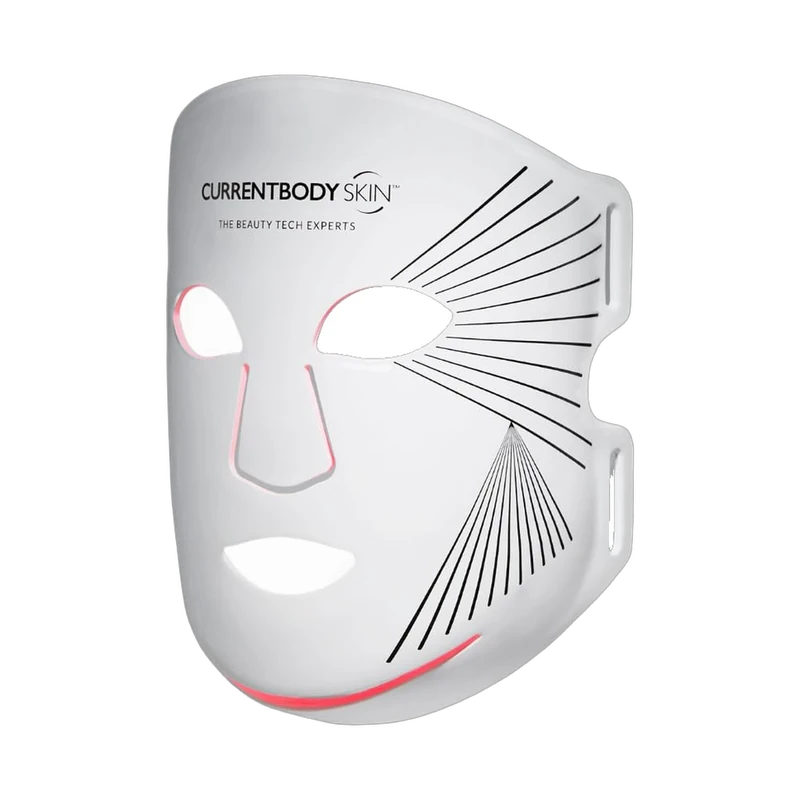
CurrentBody
CurrentBody Skin LED Light Therapy Face Mask Series 2
8.2/10 Celliara Score, Very Good
Read the review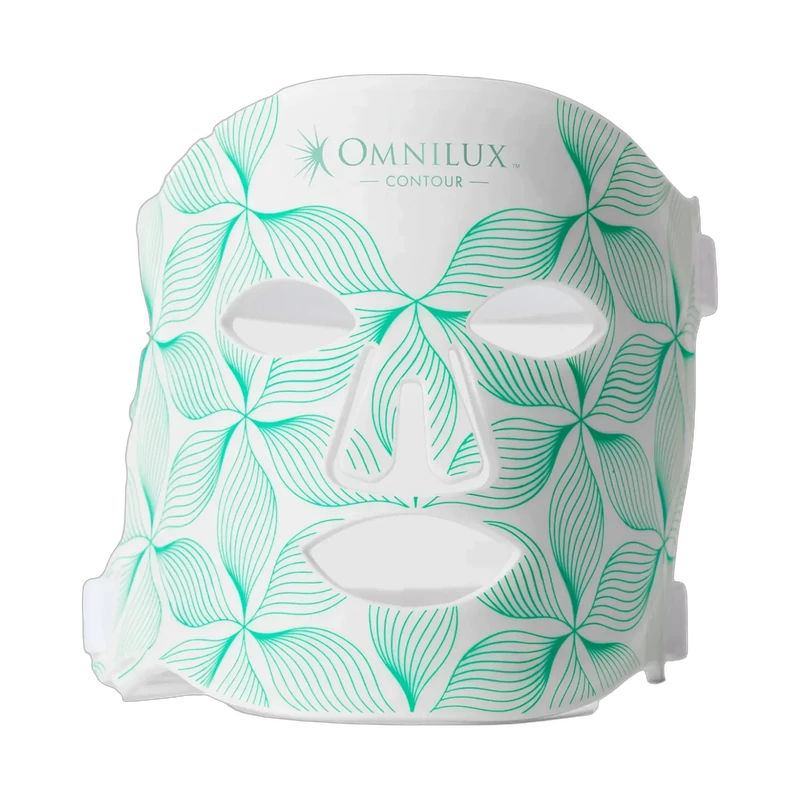

Dr. Dennis Gross
Dr. Dennis Gross SpectraLite FaceWare Pro
8.2/10 Celliara Score, Very Good
Read the review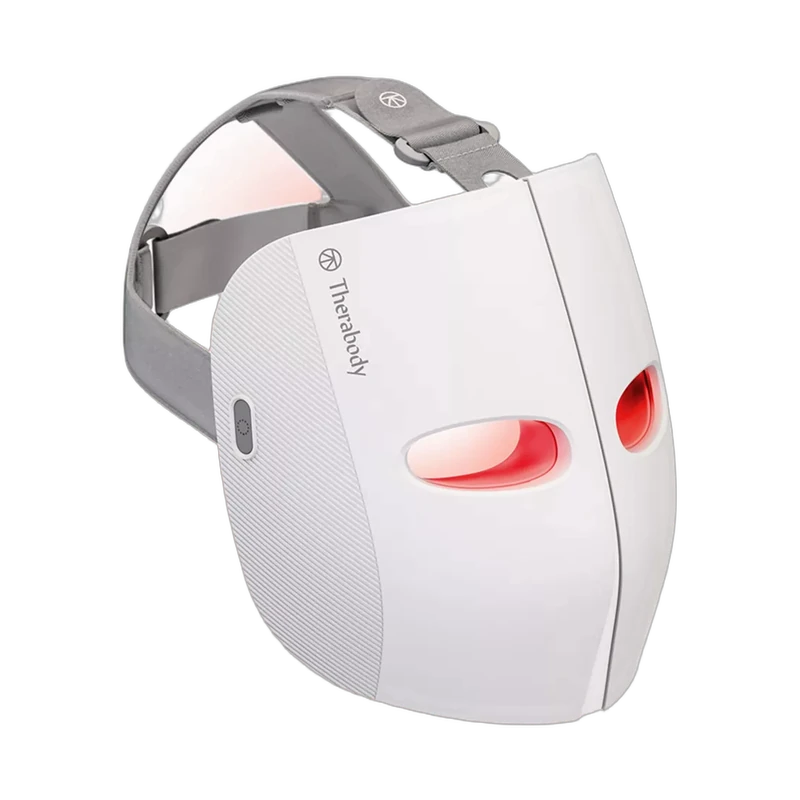
Red light panels named in this guide
Current facts and scores come from each panel’s Celliara review.
FAQs
Can I use an LED face mask and a red light therapy panel at the same time?
Not simultaneously — but using both is common. Each device’s maker sets its own session length and frequency, so follow each one’s instructions. The two devices target different zones and are complementary, not redundant.
Is red light from a panel the same as from a mask?
Biologically, yes — the photons and wavelengths are identical. What differs is how the light is delivered to the skin. A mask holds a fixed distance from the skin; a panel at 6 inches covers a larger area, and its output at the skin depends on distance. For the face, a mask keeps that distance consistent; for body zones, only a panel covers the area.
Do LED face masks really work?
Some masks have exact-model data, but it is manufacturer-reported: Omnilux reports its own four-week study of the Contour Face in 25 people, and CurrentBody reports outcome figures for Series 2 over 56 days. Change is modest and gradual compared with clinical procedures. A mask without published output or exact-model data is harder to judge — a gap in evidence, not proof that it fails.
What wavelengths do I actually need?
Red light around 630–660 nm and near-infrared around 830–850 nm are commonly used in research and in devices, though the exact wavelengths studied vary. Including near-infrared does not by itself establish an added benefit, and Celliara’s current evidence record does not establish near-infrared as necessary for anti-aging or other visible-skin outcomes, so judge the exact product’s evidence rather than treating red plus near-infrared as a required formula. For acne, blue light around 415–430 nm is the range used. Check the exact device’s wavelengths too: some masks list infrared that is not verified in use.
How long until I see results?
Change builds gradually with consistent use on each device’s own schedule; makers’ own studies measured results at points such as four weeks (Omnilux) or 56 days (CurrentBody Series 2). Irregular use makes results harder to judge, and both panels and masks require the same commitment to consistency.
Are red light therapy panels safe for daily use?
Follow the exact device’s instructions. Some devices are designed for daily use (SpectraLite runs a three-minute daily session), others for a few sessions a week, and makers set limits — CurrentBody allows no more than one session per area within 24 hours. Celliara does not set a general schedule.
Where to go next
See current recommendations
Our ranked page names the masks we recommend and who each one suits.
- Best Overall Mito Red Light MitoGLOW(TM) LED Face Mask
- Best Value Omnilux Contour Face
- Best for Short Sessions Dr. Dennis Gross SpectraLite FaceWare Pro
- Best for Light + Vibration Therabody TheraFace Mask
Decide between two masks
Explore the category
What separates the masks Celliara has reviewed, with every review in one place.
LED face masks