A Celliara guide to red light therapy
How to Choose a Red Light Therapy Device
What Is Red Light Therapy?
Red light therapy (RLT) — also called photobiomodulation or low-level laser therapy (LLLT) — is the application of specific wavelengths of red and near-infrared light to skin tissue. Devices emit light typically in the 630–850 nm range, which research suggests can penetrate the skin at varying depths depending on wavelength. It is not UV light and does not cause tanning or ionizing radiation exposure.
RLT originated in clinical settings but has since moved into consumer devices, including panels, wands, and LED face masks. The technology itself is well-established in research contexts; the consumer device market, however, varies widely in quality and output.
How It Works
The leading hypothesis is that red and near-infrared light is absorbed by cytochrome c oxidase, a photoreceptor in mitochondria. This absorption is thought to stimulate cellular energy production (ATP), which may support cellular repair and signaling processes. The mechanism is plausible and supported by in vitro and animal studies, though the translation to human clinical outcomes is still being refined.
Different wavelengths penetrate tissue at different depths. Red light (~630–660 nm) is generally associated with surface-level skin effects; near-infrared (~810–850 nm) penetrates deeper into muscle and joint tissue. Many consumer devices combine both ranges in a single panel.
What the Evidence Shows
The strongest clinical evidence for RLT centers on a few specific applications. These include wound healing, certain forms of hair loss (androgenetic alopecia), mild-to-moderate acne, and musculoskeletal pain relief. Multiple randomized controlled trials support these uses, though study sizes are often small and protocols vary significantly between trials.
For anti-aging applications — specifically skin texture, fine lines, and collagen density — early studies show promising signals, but evidence quality is mixed and long-term data is limited. If you want to evaluate the research yourself before buying, the Celliara guides library covers the clinical landscape by use case in more detail.
What It Does NOT Do
Red light therapy is not a treatment for cancer, serious skin conditions, or systemic disease. Despite aggressive marketing claims in the consumer space, Celliara’s verified evidence record does not support claims that RLT produces dramatic fat loss, cures autoimmune disease, or reverses deep structural aging at consumer-grade power levels. Claims that outpace the current body of published research should be treated with skepticism.
RLT is also not interchangeable with infrared saunas, which operate at much higher thermal outputs and different mechanisms entirely. Devices marketed with exaggerated before-and-after imagery or guaranteed results are not consistent with how the science currently reads.
What to Expect — Realistic Timeline
Most clinical protocols use daily or near-daily sessions over 4–12 weeks before measuring outcomes. Consumer users should not expect visible changes in days; the biological processes involved — collagen synthesis, cellular repair, hair cycling — operate on longer timescales. Consistency of use matters more than session length in most published protocols.
Skin texture and tone improvements, when reported, typically begin to appear after 6–8 weeks of consistent use. Pain applications may show faster subjective response. A promise of visible results in under two weeks goes beyond what Celliara’s evidence record supports.
Device Considerations
When evaluating how to choose a red light therapy device, the most important variables are wavelength, irradiance (power density measured in mW/cm²), treatment area, and build quality. Look at the wavelengths a device uses (commonly 630 nm, 660 nm, 810 nm and 850 nm), its published output, its coverage and treatment geometry, and its intended use, then weigh them against the available evidence — not against marketing language or LED count alone. A specification is useful only in the context of the relevant evidence, how the output was measured, the intended use and the exact device.
Irradiance matters more than raw LED quantity. A panel with 300 lower-output LEDs may deliver less light energy than one with 100 higher-output LEDs. Third-party irradiance testing data, when available, is more reliable than manufacturer specs alone. Celliara’s red light therapy hub brings its panel reviews together, so you can check specific models against these criteria before committing to a purchase.
Form factor affects usability and therefore consistency. Handheld wands suit targeted, small-area use. Full panels suit whole-body or larger-area protocols. Masks are convenient for facial use but vary in published output and coverage, so compare the exact mask’s specifications and evidence rather than its price.
Panels Celliara has reviewed
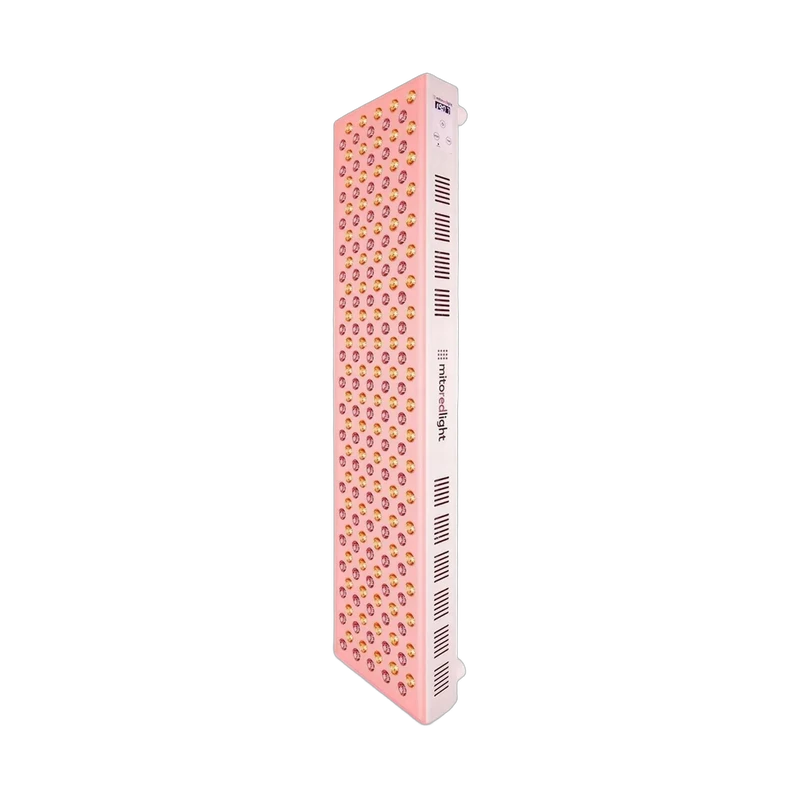
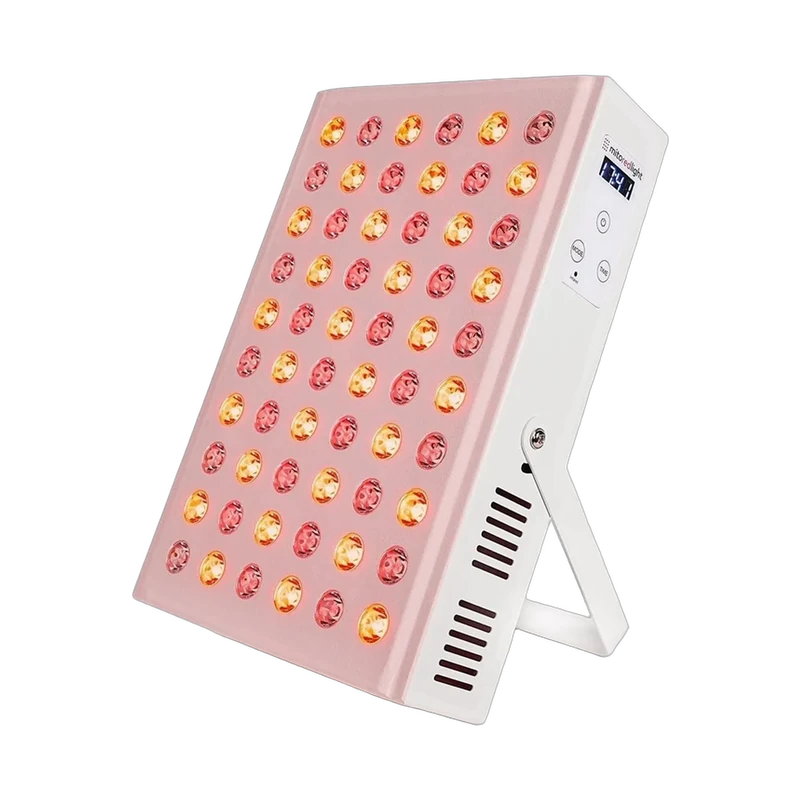
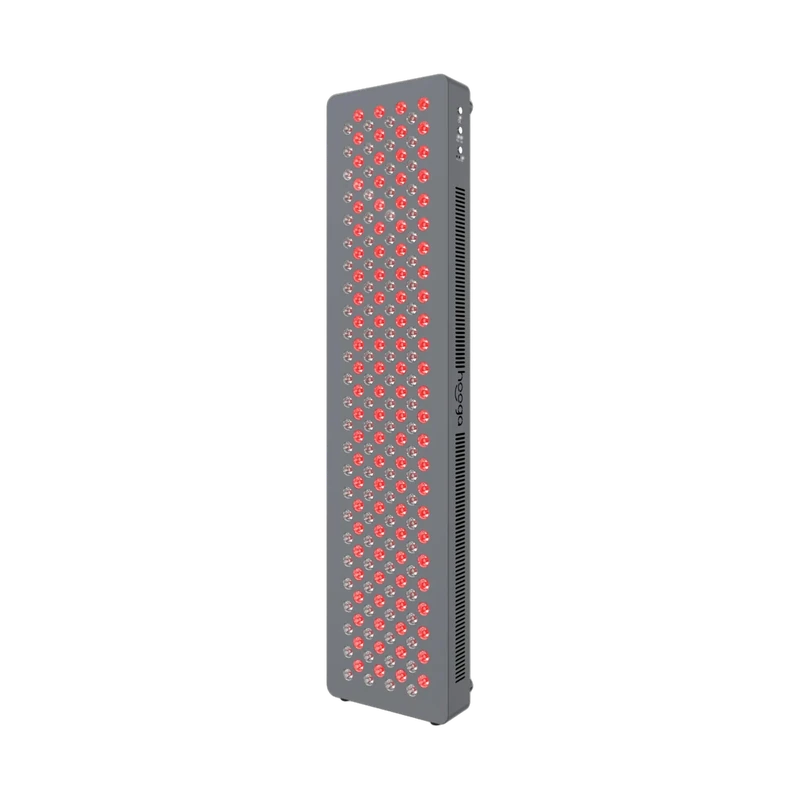
Examples to check against the criteria above. Current facts and scores come from each device's Celliara review.
Contraindications
Red light therapy is generally considered low-risk for most users, but certain populations should consult a physician before use. These include individuals who are pregnant, people with active cancer or a history of photosensitive conditions, those taking medications that increase sensitivity to light, and individuals with epilepsy triggered by light.
Direct eye exposure to high-irradiance devices should be avoided. Follow the exact device’s eye-protection instructions, including whether to wear the eyewear its maker supplies or specifies. Whether a red light device is regulated as a medical device depends on the exact device and its intended use, and red light therapy does not substitute for professional dermatological or medical care for diagnosed conditions.
Once you’ve chosen a panel, build your session protocol around it. For the accessory stack (eye protection, panel positioning and post-session serums), see the Red Light Therapy Panel Protocol.
Where to go next
See current recommendations
Our ranked page names the panels we recommend and who each one suits.
- Best Overall MitoMIN 2.0
- Best for Face + Upper Body MitoMID 2.0
- Best Full-Size Panel Hooga HG1000
- Best for Largest Coverage MitoMEGA 2.0
Explore the category
What separates the panels Celliara has reviewed, with every review in one place.
Red light therapy panels